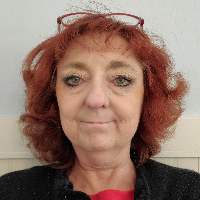
Hannah Lynch
LPC
Works with Addictions, Relationship, Trauma and abuse and 15 more
Location Oklahoma 6 years in practice
Gottman Method therapist directory
33 therapists based in Oklahoma name the Gottman Method among their approaches. Sessions are online; a therapist can usually only see people in the states where they hold a license, so check the license line on each profile.
Welcome to our directory of online therapists serving Oklahoma. All therapists listed here are licensed in Oklahoma - explore the listings to compare specialties, approaches, credentials, languages, and experience.
LPC
LPC
LPC
LPC
LCPC, LPC
LPC
LMFT
LPCC, LPC
LCSW
LMFT
LCSW
LPC
LPC
LCSW
LMFT
LCSW
LPC
LCMHC, LMHC
LCMFT, LMFT
LPC
LPC
LPC
LCMHC, LPC
LCSW
LMFT
LCSW
Some links on this page are partner links. We will earn a commission if you sign up through one, at no cost to you. It does not change what you pay or the order of the listings.
Online therapy has become a common way for people in Oklahoma to access professional mental health support. Whether you live in a metropolitan area or in one of Oklahoma's many rural counties, you can find counselors and therapists who offer remote sessions by video or phone. For residents, that means more choices when it comes to therapeutic style, clinician background, language options, and areas of focus than were available in the past.
When you look for an online therapist, the most important regulatory detail to keep in mind is licensure. If you are receiving services while physically located in Oklahoma, the clinician should be licensed to practice in Oklahoma. Licensing rules and titles vary by discipline - common designations include Licensed Professional Counselor, Licensed Clinical Social Worker, Licensed Marriage and Family Therapist, and psychologist credentials such as PhD or PsyD. Those distinctions influence scope of practice and the kinds of services a clinician can provide under state law.
Online therapy is delivered in different ways. Some therapists work primarily with individuals, while others focus on couples, families, or groups. Some practices emphasize short-term, skills-based work, while others welcome longer-term exploratory therapy. When you search listings, you can learn about a clinician's approaches and the populations they mention, which helps you determine whether someone might be a good fit for your needs.
One clear advantage of online therapy is easier access, especially if you live far from urban centers. You can connect with a counselor without the time and cost of travel, which makes it simpler to maintain regular sessions during busy periods or when weather conditions make travel challenging. For people balancing work, school, caregiving, or farming responsibilities, remote sessions can be scheduled around your life instead of requiring long commutes.
Online therapy also broadens the range of specialties you can tap into. If you are looking for someone who works with postpartum adjustment, military-related concerns, adolescent issues, grief, or LGBTQ+ matters, you may find therapists who list those specialties even if they are not locally based. That wider pool increases the chance you will find someone whose language, cultural understanding, or approach aligns with your preferences.
The setting in which you participate can matter for comfort and engagement. Some people find it easier to open up from a familiar home setting, while others prefer to come into an office for a different kind of boundary between therapy and daily life. You can plan for what works best by choosing a quiet, comfortable environment for your sessions and setting clear expectations with your therapist about how you will handle interruptions, technology glitches, or scheduling changes.
Online therapists in Oklahoma address a wide range of concerns that bring people to counseling. Common topics include anxiety and worry that interfere with daily life, depressive symptoms that sap energy and motivation, relationship strains between partners or family members, and life transitions like career changes, relocation, or becoming a parent. You will also find clinicians who work with trauma-related distress, grief and loss, stress management, and challenges associated with chronic health conditions.
Couples and family work is frequently offered through remote formats, with therapists who list couples therapy, communication-focused work, or family systems approaches among their offerings. People seeking support for parenting challenges may connect with clinicians who emphasize behavioral approaches or attachment-informed perspectives. You can also encounter therapists who list more specialized approaches - for example, therapists who list EMDR among their approaches, or those who mention cognitive behavioral methods, somatic-informed practices, or attachment-focused work. Listing an approach does not by itself confirm a particular credential, so use those details as one factor in your decision-making process.
Because online therapy can serve people across diverse communities, you can search for clinicians who note experience with specific identity-related concerns, cultural backgrounds, or language needs. That match can be especially relevant when cultural context matters to the issues you want to address in therapy.
When you consider a clinician, it is sensible to confirm their license status. Start by identifying the license type shown on the clinician's profile and then look up the professional on the appropriate Oklahoma licensing board website. The board's public search tool will usually let you confirm whether a license is active, view the license issuance and expiration dates, and see whether any disciplinary actions are recorded. Searching by the clinician's full name and license number, when available, yields the most precise results.
On a license record, look for the license class or title, the effective and expiration dates, and any notations about restrictions or pending actions. If a clinician lists advanced degrees or specialty training on their profile, you can also cross-check school names and degree titles if you want more context about their educational background. If you have questions about interpreting a board record, the licensing board's contact information is posted on its website and staff can often clarify the meaning of entries or direct you to additional resources.
If something in a public record is unclear, it is appropriate to ask the clinician to clarify their licensure, credentials, or scope of practice. A professional listing should make it straightforward to see the clinician's credential abbreviations, the populations they work with, and the approaches they use. If a clinician mentions particular methods among their approaches, and you want to know more about their experience using that method, you can ask them how they typically apply it and how it fits into their overall practice.
To begin, read several profiles to get a sense of who you might like to contact. Look for clear descriptions of focus areas, the populations a clinician works with, languages spoken, and any logistics mentioned such as session length or fee structure. Narrow your list to a few clinicians whose backgrounds and approaches resonate with you. When you reach out, a brief message that describes the main issue you want to address, your preferences around session format, and questions about fees or insurance can help you identify a good match.
During an initial conversation or intake, you may want to ask about the clinician's approach to issues similar to yours, how they measure progress in therapy, and what a typical early session looks like. If you have cultural, religious, or identity-related needs, ask how they incorporate those elements into treatment. If you plan to use insurance, confirm the clinician's billing arrangements and whether they will provide the documentation your insurer requires. It is reasonable to ask about practical policies such as session length, methods of payment, and cancellation terms so you can decide whether a clinician's administrative approach fits your needs.
Before your first session, prepare a quiet, comfortable environment that allows you to speak openly. Use a reliable internet connection and a device with a functioning camera and microphone if you plan to meet by video. Have a backup plan in case technology fails - a phone number for the clinician or a plan to reconnect by phone can keep the first appointment on track. Set expectations about interruptions if you live with others, and choose a location where you feel you can talk freely. If you will be attending from a location other than your home, ensure that the setting allows appropriate privacy and minimal distraction.
Choosing a therapist is a personal process that often involves trial and assessment over several sessions. You can expect the early work to focus on clarifying goals, building rapport, and agreeing on a plan. If at any point you feel the match is not right, it is okay to continue your search. The goal is to find a clinician whose expertise, approach, and communication style support the progress you want to make.
Online therapy can expand your options and make it easier to connect with clinicians who align with your needs. By learning how to verify licensure, reading profiles carefully, asking thoughtful questions, and preparing for remote sessions, you increase the likelihood of finding an effective working relationship. Use the listings to compare specialties, approaches, credentials, languages, and experience as you make your choice, and take the first step toward support when you are ready.