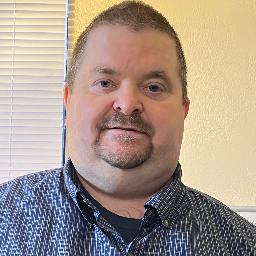
Steven Brashear
LMHC
Works with Stress, Anxiety, Trauma and abuse, Grief and 2 more
Location Florida 5 years in practice
Gottman Method therapist directory
190 therapists based in Florida name the Gottman Method among their approaches. Sessions are online; a therapist can usually only see people in the states where they hold a license, so check the license line on each profile.
Welcome to our directory of licensed online therapists serving Florida. All therapists listed are licensed in Florida - explore profiles to compare approaches, credentials, languages, and areas of focus.
LMHC
LMHC, LMFT
LMFT
LMHC
LMHC
LMHC
LMFT
LMHC
LCSW
LCSW
LMHC
LMHC
LMHC
LMFT
LMHC
LMHC
LCSW
LCSW
LCSW
LCSW
LMFT
LCSW
LCSW
LMHC
LMHC
LMHC
LMHC, LCMHC
LPC, LCMHC
LCSW
LMFT
LCSW
LMHC
LCSW
LCSW
LMHC, LMFT
LMHC, LMFT
LCSW
LCSW
LCSW
LMHC
LMHC, LPCC
LMHC, LCPC
LPC, LMHC
Some links on this page are partner links. We will earn a commission if you sign up through one, at no cost to you. It does not change what you pay or the order of the listings.
Online therapy has become a widely used option for people across Florida, from urban centers to rural communities. You can connect with counselors, marriage and family therapists, clinical social workers, and psychologists over video or telephone from many parts of the state. Regulations in Florida allow licensed mental health professionals to provide telehealth services to residents, and many therapists include online sessions among the ways they work. When you search listings you will often see profiles that describe the approaches a therapist uses, the populations they focus on, their licensure type, and the languages they speak. These listings are a starting point for learning who might be a good fit for your needs, and they make it easier to compare the kinds of support available without requiring travel across long distances.
Choosing online therapy can be helpful if you want more flexibility around scheduling, if you live far from downtown clinics, or if commuting to an in-person appointment is difficult because of traffic or weather. You may find it easier to fit appointments into your week when you do not have to account for transit time. Some people appreciate being able to meet with a therapist from their home, a workplace break room, or another comfortable environment that reduces the friction of attending sessions. Online formats also expand access to therapists who list specialized approaches or language capabilities that may not be common in your immediate area. For families or couples spread across different parts of Florida, online sessions can allow partners or household members to participate together more easily. While online therapy works well for many people, you should think about whether you prefer a face-to-face setting for certain types of work or for safety concerns that are best addressed in person.
Therapists who offer online care often work with a wide range of concerns, including stress and anxiety, depression, relationship challenges, life transitions, grief, and parenting difficulties. Many profiles highlight therapists who list trauma-focused approaches among their methods, or who describe experience supporting people with complicated loss or past adversity. Couples often seek therapists who describe relationship-focused approaches or who mention the Gottman method among their approaches. Younger adults, college students, working parents, and older adults all use online therapy for mood symptoms, adjustment to major life changes, or to build coping skills. Some therapists also describe working with identity issues, career concerns, and cross-cultural or intergenerational family dynamics. If you have a specific concern such as substance use, eating issues, or complex medical comorbidity, you can look for therapists who list relevant approaches and experience, and then ask about how they typically work with those topics in an initial conversation.
Verifying a therapist's license is an important step when you are evaluating profiles. You can check a therapist's licensure status through the Florida Department of Health or the state licensing board that corresponds to the clinician's credential. Look for the therapist's license type on their profile - common designations include marriage and family therapist, clinical social worker, mental health counselor, or psychologist - and note any license number that is provided. Entering that license number or the clinician's name on the state board website will show whether the license is active and whether there are any public disciplinary records to consider. If you are unsure which board to search, the listings on a directory page often indicate the licensure category so you can find the correct verification tool. When you review the license record, pay attention to the issue date, expiration or renewal information, and any public actions. If you have questions after checking the record, you can call the licensing board to request clarification about what appears in the public record.
On profiles you might see academic degrees, earned professional titles, and descriptions of clinical focus. These items help you understand educational background and practice emphasis, but a degree alone is not the same as an active state license. A therapist may list a doctoral or master’s degree, and they may describe approaches they use, but only a current license indicates legal authorization to practice in Florida. Use the license verification steps to confirm that the practitioner holds the appropriate credential for the services you are seeking.
Getting started typically begins with narrowing your search based on practical preferences and professional fit. You can filter profiles by the issues you want to address, the therapeutic approaches that interest you, and languages spoken. Once you identify clinicians who seem aligned with your needs, look through their biographies to learn about their areas of focus, the populations they mention, their training history, and their professional credentials. Contacting a therapist usually involves an initial intake conversation - sometimes by phone, sometimes by a brief online form - where you can ask about their approach to care, how they structure sessions, and whether they have experience working with your specific concerns. Use that conversation to get a sense of how they explain their work and whether their style matches what you hope to find. If you plan to use insurance, ask whether the clinician lists insurance as part of their practice arrangements and how claims are handled. If you prefer to pay privately, you can ask about typical session length and fees during that first exchange.
Choosing a therapist is a personal decision and there are a few practical ways to make the process easier. Start by clarifying what you want from therapy - symptom relief, improved relationship skills, coping strategies, or support through a life change - and then look for clinicians who describe experience with that kind of work. Pay attention to the approaches therapists list and remember that those listings reflect how clinicians describe their practice rather than formal endorsements. Consider language and cultural match if those are important to you, and look for practitioners who mention the populations they often work with. During initial conversations notice how a therapist explains their approach and whether they outline observable steps for how you might work together. Trust your sense of whether communication feels respectful and clear. It is normal to try more than one clinician before you find a fit, and taking time to compare profiles and ask thoughtful questions will help you identify someone who aligns with your goals.
Before starting online sessions, think about the environment you will use for meetings. Choose a location where you feel comfortable speaking and where interruptions are minimal. Some people prefer a home office or a parked car between appointments to maintain focus. Check that your internet connection, camera, and microphone are working, and familiarize yourself with any platform details the therapist shares. If you have concerns about crises or urgent help between sessions, ask a clinician how they manage risk and what local resources they recommend. Having a plan for emergencies and knowing how to reach local services in Florida is an important part of safe care planning.
Online therapy in Florida offers flexible ways to connect with clinicians who list a variety of approaches, languages, and specialty areas. By reviewing licensure, reading profiles closely, and having an initial conversation that clarifies approach and logistics, you can make an informed decision about who to work with. Use the directory to compare profiles and start a conversation with therapists whose descriptions match the support you are seeking.