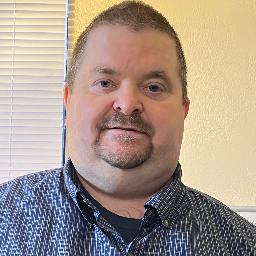
James Gilligan, LCSW
Therapist in Florida
James Gilligan is a licensed clinical social worker with two decades of practice.
- License SW6196 · Florida Expires March 2027
- NPI 1346446002 · national registry
- Experience and languages 20+ years in practice English
Details are as listed on the therapist's public professional profile. You can check any license with the state board and any NPI with the national registry.
About James
James Gilligan is a licensed clinical social worker with two decades of practice. He helps people manage stress, anxiety, addictions, depression, and trauma. He also supports those facing grief, relationship and intimacy concerns, parenting strain, and career stress.
He trained at Florida International University and has been licensed in Florida since 2000. Early in his career he provided individual, group, and family support in Miami-Dade schools. That work included helping students and caregivers navigate behavior and emotional challenges.
Background and approach
Later he worked with people who had severe mental illness, including bipolar disorder and major depression. Since 2007 he has worked with active duty service members, offering individual therapy and marital counseling for service-related worries and stress. His background includes work with domestic violence, addictions, and eating concerns.
James uses practical, goal-focused tools in sessions. He draws on cognitive behavioral ideas to change unhelpful thoughts and behaviors. He also uses Dialectical Behavior Therapy skills for emotion regulation and grounding techniques for trauma recovery.
He incorporates Attachment-Based and client-centered ideas to strengthen how people relate to others. The Gottman Method is part of his approach to relationship work. Across sessions he aims to help people make concrete changes they can sustain in daily life.
Credentials
- LCSW (Florida)
- License SW6196 · expires March 2027
- NPI
- 1346446002 · national provider identifier
Both are public records. A state board register will confirm a license and its standing, and the national registry will confirm an NPI. This directory copies what the therapist lists and checks neither.
Focus areas and approaches
Everything James lists on their public professional profile, in their own terms.
- Stress, Anxiety
- Addictions
- Trauma and abuse
- Grief
- Self esteem
- Relationship issues
- Family conflicts
- Intimacy-related issues
- Eating disorders
- Sleeping disorders
- Parenting issues
- Anger management
- Career difficulties
- Bipolar disorder
- Depression
- Coping with life changes
- Coaching
- Compassion fatigue
- Abandonment
- Attachment issues
- Codependency
- Communication problems
- Veteran and Armed Forces Issues
Approaches James names
- Gottman Method
- Attachment-Based Therapy
- Client-Centered Therapy
- Cognitive Behavioral Therapy (CBT)
- Dialectical Behavior Therapy (DBT)
- Eye Movement Desensitization and Reprocessing (EMDR)
- Mindfulness Therapy
- Motivational Interviewing
These are the approaches James names on their own professional profile. Naming an approach is not evidence of training or certification in it, and this directory checks no training records. Ask directly if it matters to you.
Online support
Approaches and how online therapy supports them
James often uses the Gottman Method when addressing relationship and communication patterns, focusing on practical exercises that improve connection and reduce conflict. Gottman work looks at everyday interaction habits and teaches ways to repair and strengthen bonds. Attachment-Based Therapy is used to explore how early relationships shape current reactions and closeness, helping people understand patterns and try new ways of relating. Client-Centered Therapy puts the person at the center of the conversation, with the therapist following the client's lead to build insight and self-direction.Choosing the best approach is a collaborative process. The therapist will discuss goals, try different techniques, and adjust the plan together so the work matches the client's needs and preferences. That makes it possible to blend methods when a client benefits from skills training, relational tools, or deeper exploration.
Online sessions are offered by video call, phone, live chat, or text-based messaging to fit different routines. Video is useful for in-depth sessions and exercises that involve interaction. Phone sessions work well when bandwidth is limited or a quieter check-in is needed. Live chat and text allow shorter check-ins, coaching-style support, or ongoing reminders between longer sessions. These options make it easier to attend therapy from work, home, or while traveling and help sustain progress through ongoing access and flexibility.
We will earn a commission if you sign up through our link, at no cost to you. It does not change what you pay or the order of the listings.
Frequently asked
What concerns does this therapist help with?
He supports people dealing with stress, anxiety, addictions, trauma, grief, depression, relationship and intimacy issues, parenting and career concerns, and related challenges such as attachment and codependency.
What is his general therapy style?
Sessions are practical and collaborative, with an emphasis on skills and real-life changes. The approach blends talk, skill building, and exercises tailored to each person's goals.
How much clinical experience does he have?
He has 20 years of clinical experience working in schools, with people who have severe mental illness, and with active duty service members since 2007.
What credential and region does he hold?
He is a licensed clinical social worker - LCSW - practicing in Florida and listed with a Florida LCSW credential.
Which languages are sessions offered in?
Sessions are offered in English.
What session formats are available?
He provides video calls, phone sessions, live chat, and text-based messaging to accommodate different needs and schedules.
How are fees and billing handled?
Cost varies with location and therapist availability. Sessions use a subscription model that can be canceled at any time.
How do I begin working with him?
Start by selecting the Start Therapy button, complete a short matching questionnaire, and schedule sessions based on the therapist's availability.
More therapists in Florida
See all
Steven Brashear
LMHC
Thomas Corwell
LMHC, LMFT

Shannon Salgado
LMFT
Susan Dawson
LMHC
Is this your profile?
Ask us to correct details or take the page down.