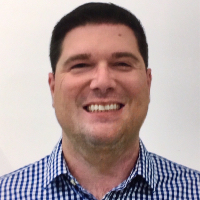
Craig Carpenter, LCSW
Therapist in Oklahoma
Craig Carpenter is a Licensed Clinical Social Worker (LCSW) practicing in Oklahoma.
- License 5481 · Oklahoma Expires December 2026
- NPI 1174890958 · national registry
- Experience and languages 14+ years in practice English
Details are as listed on the therapist's public professional profile. You can check any license with the state board and any NPI with the national registry.
About Craig
Craig Carpenter is a Licensed Clinical Social Worker (LCSW) practicing in Oklahoma. He focuses on practical steps that help people meet their goals and move forward. Craig writes plainly and checks in about what matters most to each person who reaches out.
He brings 14 years of clinical experience to sessions and a background that includes work with complex mental health needs. That experience informs how he helps with anxiety, depression, grief, addictions, stress, and self-esteem.
Background and approach
He also supports people facing career changes, relationship questions, and major life transitions. In the room he uses simple, evidence-informed approaches. He draws on cognitive behavioral ideas to help change unhelpful thinking.
He also uses Acceptance and Commitment Therapy techniques to clarify values and set committed actions. Attachment-based and client-centered ways of working shape how he listens and responds. Craig is comfortable addressing issues such as chronic pain and illness, parenting and fatherhood concerns, substance use, and problems rooted in family of origin.
He also has experience with aging and end-of-life concerns, first responder stress, immigration-related challenges, and isolation or loneliness. Sessions aim to be collaborative and goal-focused. Craig helps people identify small, practical changes they can try between meetings.
He invites honest feedback so therapy stays relevant and adapts as needs change.
Credentials
- LCSW (Oklahoma)
- License 5481 · expires December 2026
- NPI
- 1174890958 · national provider identifier
Both are public records. A state board register will confirm a license and its standing, and the national registry will confirm an NPI. This directory copies what the therapist lists and checks neither.
Focus areas and approaches
Everything Craig lists on their public professional profile, in their own terms.
- Addictions
- Relationship issues
- Career difficulties
- Depression
- Stress, Anxiety
- LGBT
- Family conflicts
- Grief
- Self esteem
- Coping with life changes
- Coaching
- Aging and geriatric issues
- Chronic pain, illness, and disability
- Codependency
- Communication problems
- Coping with natural or human-caused disaster
- Divorce and separation
- Domestic violence
- Drug and alcohol addiction
- Family of origin issues
- Family problems
- Fatherhood issues
- First responder issues
- Hospice and end-of-life counseling
- Immigration issues
- Isolation / loneliness
- Life purpose
- Midlife crisis
- Veteran and Armed Forces Issues
- Money and financial issues
- Phobias
- Process addiction (porn, exercise, gambling)
- Sex addiction
- Smoking / vaping cessation
- Social anxiety and phobia
- Somatization
- Workplace issues
Approaches Craig names
- Gottman Method
- Acceptance and Commitment Therapy (ACT)
- Attachment-Based Therapy
- Client-Centered Therapy
- Cognitive Behavioral Therapy (CBT)
- Mindfulness Therapy
- Motivational Interviewing
- Narrative Therapy
- Psychodynamic Therapy
- Solution-Focused Therapy
- Trauma-Focused Therapy
These are the approaches Craig names on their own professional profile. Naming an approach is not evidence of training or certification in it, and this directory checks no training records. Ask directly if it matters to you.
Online support
Approaches that translate to online care
Gottman Method work focuses on improving communication patterns and building practical skills for managing conflicts and strengthening connection. It can be helpful for people wanting clearer ways to talk about issues and repair interactions.Acceptance and Commitment Therapy (ACT) helps people clarify their values and take committed action even when difficult thoughts or feelings show up. It is useful for anxiety, depression, and motivation-related struggles. Attachment-Based Therapy pays attention to how early relationship patterns shape current reactions and helps people notice and shift those patterns in day-to-day interactions.
Choosing the right approach is a collaborative process. The therapist will discuss goals, try techniques, and adjust as needed so the work fits the client's needs and preferences. That way sessions focus on useful steps rather than fixed methods.
Online therapy offers flexibility through video calls, phone sessions, live chat, or text-based messaging. Video sessions allow face-to-face conversation and skills practice. Phone can be a good option when bandwidth is limited or when someone prefers not to be on camera. Live chat and text messaging make brief check-ins and ongoing coaching-style support easier to fit into a busy schedule.
We will earn a commission if you sign up through our link, at no cost to you. It does not change what you pay or the order of the listings.
Frequently asked
What types of problems can Craig help with?
He works with a wide range of concerns including addictions, anxiety, depression, relationship and communication problems, grief, self-esteem, stress, career change, and coping with life changes.
What is Craig's therapeutic style?
Sessions combine practical, client-centered conversation with techniques from ACT and cognitive behavioral approaches to set goals and try small changes between meetings.
How much clinical experience does he have?
He has 14 years of experience, including work in complex mental health settings that inform how he approaches harder-to-manage problems.
Where is Craig licensed and practicing?
He is a Licensed Clinical Social Worker (LCSW) credentialed in Oklahoma and practices with that credential.
Which languages are supported for sessions?
Sessions are offered in English and he also accepts international clients.
What session formats are available?
Therapy is offered via video calls, phone sessions, live chat, and text-based messaging to suit different needs and schedules.
How are fees and billing handled?
Cost varies with location and therapist availability; sessions are provided through a subscription model that can be canceled at any time.
How do I begin working with Craig?
Start by selecting the Start Therapy button, complete a short matching questionnaire, and then schedule according to therapist availability.
More therapists in Oklahoma
See all
Hannah Lynch
LPC

Heather Robinson
LPC


Candice Hart
LPC
Is this your profile?
Ask us to correct details or take the page down.