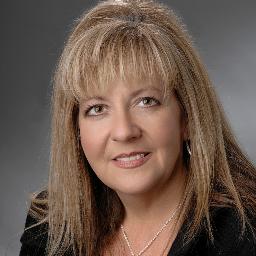
Amber Bowling
LCSW
Works with Stress, Anxiety, Relationship, Trauma and abuse and 15 more
Location Texas 6 years in practice
Gottman Method therapist directory
403 therapists list phobias among the things they work with. All offer sessions online, and every profile shows the registering body, the membership number and when it runs to.
This directory lists therapists who work with phobias and specific fears so you can review profiles and approaches that match your needs. Browse the listings below to learn about different focus areas, credentials, languages, and therapeutic styles.
LCSW
LPC
LMFT
LPC
LPC
LPC
LPC
LCSW
LCSW
LMHC
LCSW
LCMHC
NY Psychoanalyst
LMFT
LPC
LPC
LPC
LMHC
LCSW
LPC
LPC
LPC
LMHC
LPC
LMFT
LPC
LPC
LMHC
LMHC
LPC
LPC
LMHC
LCSW
LCSW
LMFT
LCSW
LPCC
LCPC
LCSW
LCSW
LPC
Some links on this page are partner links. We will earn a commission if you sign up through one, at no cost to you. It does not change what you pay or the order of the listings.
Phobias are persistent, often intense fear responses to specific objects, situations, or activities that most people would consider harmless. You might recognize a phobia if you have an immediate sense of dread or panic when you encounter the trigger - for example, heights, animals, flying, dental procedures, or social situations. The fear can lead to avoidance, which may feel protective in the short term but often narrows your life over time. Avoidance can change routines, limit travel, affect relationships, or create practical difficulties at work or school.
Not all fears meet the threshold of a phobia. What distinguishes a phobia is the degree of distress and the extent to which the fear interferes with your daily functioning. People with phobias can experience physiological reactions such as increased heart rate, sweating, trembling, or nausea when faced with the trigger, and some report intrusive thoughts or anticipatory anxiety that builds in the hours or days before a planned encounter. Over time, those patterns of avoidance and anxiety can contribute to feelings of frustration, isolation, or reduced quality of life.
If you have a specific fear that feels out of proportion to the real danger and it shapes your choices or mobility, that pattern may be something a therapist can help you address. Therapy offers ways to reduce the power that a fear has over your life, to rebuild confidence in previously avoided activities, and to develop strategies for coping with intense emotions when they arise.
You might consider therapy if your fear causes significant distress or changes the way you live. For some people this looks like arranging travel routes to avoid bridges or elevators, turning down social invitations because of fear of embarrassment, or planning daily life around avoiding an object or situation. Other signs include frequent panic attacks or near-panics when you confront the trigger, ongoing worry about encountering the feared stimulus, or reliance on rituals or safety behaviors that temporarily reduce anxiety but maintain the fear over time.
Therapy can also help if you notice emotional effects beyond the fear itself. If avoidance contributes to loneliness, occupational challenges, strained relationships, or difficulty achieving personal goals, a focused approach can reduce symptoms and open up more choices. You might be puzzled about why a fear developed or surprised by its intensity; talking with a therapist can help you make sense of those experiences and identify gradual, manageable steps toward change.
It is also reasonable to seek help if self-directed attempts to cope have not led to meaningful change. You may have tried relaxation techniques, breathing exercises, or gradual exposure on your own without sustained progress. A therapist can work with you to tailor methods to your specific fear, pace exposure carefully, and create a support plan that fits your life.
When you begin therapy for a phobia, the first sessions often focus on careful assessment and collaboration. You and your therapist will talk about the history of the fear, how it affects your life now, and what you would like to change. This helps set realistic goals and identify any safety concerns. A therapist will typically explain the logic of the treatment approach and invite you to set the pace. Therapy for phobias is usually gradual - the aim is to reduce avoidance while keeping you within tolerable levels of discomfort so you can build confidence.
Sessions often include a mix of education about fear and anxiety, skills to manage physical symptoms, and planned exposures to the feared stimulus. Exposure practice may begin as imaginal or simulated exercises in session and progress to real-world steps outside session. You will likely work on techniques to notice and reframe unhelpful thoughts that amplify fear, and to practice calming strategies that reduce physiological arousal. Progress is usually measured in behavioral terms - the new things you try or tolerate that you previously avoided.
Therapy can be brief for some specific phobias and longer for complex or long-standing fears, and your therapist will discuss a recommended timeframe based on your goals. Good therapy balances challenge with support so you feel encouraged rather than overwhelmed. Expect homework assignments that give you structured practice between sessions, because repeated, manageable practice is a central component of reducing phobic reactions.
Several evidence-informed approaches are commonly used for phobias. Cognitive behavioral approaches focus on the link between thoughts, physical reactions, and behaviors, and emphasize exposure as a way to reduce avoidance and retrain fear responses. Acceptance-based strategies help you learn to tolerate uncomfortable sensations and thoughts without acting on avoidance, which can open up new choices while you work on gradual exposure. Some therapists list mindfulness or stress-management techniques among their approaches to help with physiological arousal.
Other approaches that you may see listed include imaginal exposure, in vivo exposure, and systematic desensitization, which each provide ways to confront feared stimuli at a pace you control. You may also find therapists who list approaches such as cognitive restructuring to address catastrophic thinking patterns. When you review profiles, note phrasing such as therapists who list EMDR among their approaches or therapists who list internal family systems among their approaches. That language indicates the methods a therapist mentions, rather than certification or specific credentials, and can help you find someone whose style aligns with your preferences.
It is common for therapists to combine strategies from different traditions to create a personalized plan. The most important factors are that the approach matches the nature of your fear, that the therapist works collaboratively with you, and that you feel comfortable with the planned pace of exposure and skill-building.
Online therapy can be well suited to many phobias. Video sessions make it possible to work with a therapist who understands your specific fear even if they are not local. Initial sessions by video allow for assessment, skills training, and imaginal exposure. When in-person practice is needed, a therapist can coach you remotely as you carry out exposures in real life, observing your responses and offering real-time guidance. Many people find that remote coaching provides both flexibility and accountability while practicing challenging steps.
When choosing a therapist for phobias, look beyond availability to focus on fit. Review profiles for stated focus areas and the specific types of phobias the therapist lists, such as fear of driving, medical settings, or social situations. Pay attention to approaches they mention and whether those align with evidence-informed strategies you are comfortable with. Consider credentials and how long the clinician has worked with anxiety disorders in general, and note the languages they list if language concordance is important to you.
It can help to prepare questions to ask during an initial conversation - for example, how they typically structure exposure work, how they handle intense panic during an exposure, and how homework is assigned and supported. Trust your sense of whether the therapist listens to your goals and adapts pace to your needs. Choosing a therapist is a personal decision and you should feel empowered to find someone who matches your priorities for approach, experience, and communication style.
Working with a therapist can reduce the hold a phobia has on your life and help you reclaim activities and relationships that matter to you. Whether you pursue in-person meetings or online sessions, thoughtful, gradual practice and a collaborative relationship with a therapist offer a clear path to more confidence and fewer limits imposed by fear.