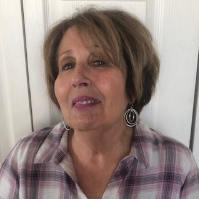
Perry Martin
LMFT
Works with Stress, Anxiety, Trauma and abuse, Grief and 9 more
Location Texas 4 years in practice
Gottman Method therapist directory
776 therapists list family of origin issues among the things they work with. All offer sessions online, and every profile shows the registering body, the membership number and when it runs to.
Below you will find profiles of therapists who list family of origin issues among their specialties. Use the listings to review approaches, credentials, languages, and experience to help find a clinician who may fit your needs.
Browse the results below to compare therapist profiles and learn how different approaches address early family patterns and relationship dynamics.
LMFT
LMFT
LPC
LPC
AZ Psychologist
LMFT
LPC-MHSP
LMFT
LMHC
LPC
LPC
LPC
LPC
LPC
LCSW
LMFT
LMHC
LCSW
LPC
LCMHC
LMFT
NY Psychoanalyst
LMFT
LMFT
LMHC
LPC
LCPC
LPC
LPC
LPC, LMFT
LMFT
LMFT
LPC
LCSW
LCSW
LMFT
LCPC
LMHC
LCSW
LIMFT, LPCC
LCSW
LCSW
LCSW
Some links on this page are partner links. We will earn a commission if you sign up through one, at no cost to you. It does not change what you pay or the order of the listings.
Family of origin issues refer to the ways the family you grew up in shaped your beliefs, coping styles, communication habits, and expectations about relationships. You may have learned patterns of relating - how emotions were expressed or avoided, who held authority, how conflict was handled, and what kinds of needs felt acceptable to state. Those early patterns do not simply disappear when you become an adult. Instead they can persist as automatic responses that influence your partnerships, friendships, parenting, work interactions, and self-image.
Common effects include repeated conflicts that echo childhood roles, difficulty trusting or establishing boundaries, trouble identifying your own needs, and repeating relationship dynamics you once observed. For some people, family of origin themes are visible in the language they use to describe themselves or in the expectations they bring into new relationships. You do not have to accept these patterns as permanent. Therapy offers a way to notice how your family background shapes your present life and to develop different ways of relating that better reflect your current values and goals.
You might consider seeking help when you notice recurring situations that feel familiar in a way that frustrates you. If you repeatedly find yourself falling into the same role - people-pleaser, caretaker, avoider of conflict, or perpetual critic - that repetition often traces back to family dynamics. You may also feel stuck when certain triggers cause intense reactions that seem out of proportion to the moment. These reactions can be a sign that unresolved experiences from your upbringing are still active in your nervous system.
Another indicator is when relationships leave you exhausted rather than fulfilled, or when you find it difficult to express anger, affection, or needs without anxiety. Parenting can also highlight family of origin influences; patterns you experienced as a child may reappear in how you respond to your own children. If you are seeking clearer boundaries, healthier communication, or a more consistent sense of self, therapy that focuses on family of origin issues can provide a structured way to explore and change those patterns.
Therapy that addresses family of origin issues typically begins with exploring your family history and the narratives you carry about yourself and others. In early sessions you may work to map significant patterns - how emotions were handled, the rules for closeness and distance, and the roles different family members played. This exploration helps make automatic reactions more visible so you can choose different responses over time.
As you deepen the work, sessions often shift from insight to practice. You and your therapist will experiment with new communication strategies, boundary-setting, and emotional regulation techniques in ways that feel manageable. Therapy may also include processing unresolved losses or hurts and learning how to integrate those experiences into a more coherent sense of self. Progress is rarely linear; you may find old feelings resurface as you work through them. A steady focus on learning new patterns and rehearsing different choices is a central part of the therapeutic process.
Therapists who list psychodynamic approaches among their methods often focus on how early relationships influence present behavior and emotional life. This style emphasizes exploring unconscious patterns and the meanings attached to familial roles. Practitioners who list family systems approaches typically attend to relational patterns across the family network, helping you see how roles and interactions perpetuate certain issues. Attachment-informed work concentrates on how early bonds shape your expectations in close relationships and how you can develop more supported ways of relating.
Other therapists may list cognitive behavioral therapy among their approaches to help you identify and shift unhelpful beliefs formed in childhood. Some clinicians list experiential or somatic methods that include attention to bodily responses and emotions tied to early experiences. When modalities such as narrative therapy are listed, the focus is often on reshaping the stories you tell about your life and finding alternative, empowering narratives. You will find therapists who list a mix of approaches; reading profiles can help you find those whose stated methods align with how you prefer to work.
Online therapy can be well suited to exploring family of origin themes because it allows you to meet from your own environment and to bring real-life patterns into the session context. Sessions typically occur via video or phone, enabling you to observe and practice new ways of relating in the environment where you live. This can make it easier to notice how you react in daily settings and to introduce small changes between sessions.
Therapists often use the same assessment and intervention strategies online as they do in person - exploring family history, identifying patterns, and rehearsing new communication skills. You may find that working online reduces logistical barriers and allows you to see a wider range of clinicians who list specific approaches, languages, or experience that match your needs. It is helpful to consider practical details like session length, technology preferences, and how you will create a comfortable environment for focused work. Online work does not replace in-person care for everyone, but it offers a flexible way to engage deeply with family of origin concerns.
When you begin searching, look for clinicians who explicitly mention family of origin issues, relational work, or similar focus areas in their profiles. Pay attention to how they describe their approach and whether that style matches how you prefer to learn and process - for example, some people like insight-oriented exploration while others prefer skill-based strategies. If a therapist lists specific modalities among their approaches, such as attachment-informed work or cognitive behavioral therapy, remember that this indicates what they may use rather than a guarantee of certification.
Think about practical preferences too - whether you want sessions by video or phone, the languages you need, and any cultural or identity factors that matter to you. Consider reading profile summaries and introductory statements to get a sense of tone and perspective. You might also note clinicians who emphasize collaborative, trauma-aware, or relational orientations if those elements feel important. Ultimately, the right fit is about feeling understood and having clear goals for the work ahead. Give yourself permission to try a few conversations before deciding who feels like the best match for the kind of change you want to make.