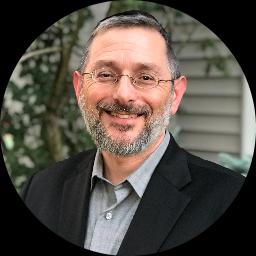
David Ordan, LPC
Therapist in Wisconsin
David Ordan is a Licensed Professional Counselor (LPC) based in Wisconsin who focuses on relationships and career concerns.
- License 8289-125, 37PC00908700 · Wisconsin, New Jersey Expires February 2027, November 2026
- NPI 1831795152 · national registry
- Experience and languages 5+ years in practice English
Details are as listed on the therapist's public professional profile. You can check any license with the state board and any NPI with the national registry.
About David
David Ordan is a Licensed Professional Counselor (LPC) based in Wisconsin who focuses on relationships and career concerns. He uses practical, goal-oriented methods to help people rebuild direction and hope when life feels stuck. His style is straightforward and focused on strengths and real-world changes.
He begins by looking at the relationships that shape a person’s daily life. That includes partners, parents, and close connections that influence choices and patterns.
Background and approach
From there he identifies practical strengths a person already has and helps make those strengths more useful day to day. Sessions tend to be action-oriented with clear steps toward a client’s goals. David draws on approaches like Acceptance and Commitment Therapy and the Gottman Method to address communication and connection.
He also uses client-centered ideas to keep the work grounded in each person’s values and experience. David has five years of counseling experience and holds a Master of Science in Clinical Counseling from Mount Mary University. He has worked with people across different faiths, gender identities, and sexual orientations.
His focus includes career shifts, relationship strain, and healing from painful memories. People usually come when they want to repair communication, find direction in work or dating, or move past shame and grief. David aims to help clients build small, steady habits that improve daily life and relationships.
Credentials
- LPC (Wisconsin)
- License 8289-125 · expires February 2027
- LPC (New Jersey)
- License 37PC00908700 · expires November 2026
- NPI
- 1831795152 · national provider identifier
Both are public records. A state board register will confirm a license and its standing, and the national registry will confirm an NPI. This directory copies what the therapist lists and checks neither.
Focus areas and approaches
Everything David lists on their public professional profile, in their own terms.
- Relationship issues
- Family conflicts
- Parenting issues
- Self esteem
- Career difficulties
- Grief
- Intimacy-related issues
- Coping with life changes
- Coaching
- Compassion fatigue
- Blended family issues
- Communication problems
- Control issues
- Dependent personality
- Divorce and separation
- Emptiness
- Family of origin issues
- Family problems
- Fatherhood issues
- Forgiveness
- Guilt and shame
- Isolation / loneliness
- Jealousy
- Life purpose
- Men's issues
- Midlife crisis
- Money and financial issues
- Self-love
- Sexuality
- Workplace issues
Approaches David names
- Gottman Method
- Acceptance and Commitment Therapy (ACT)
- Client-Centered Therapy
- Imago Relationship Therapy
- Motivational Interviewing
- Narrative Therapy
- Psychodynamic Therapy
- Solution-Focused Therapy
- Internal Family Systems
These are the approaches David names on their own professional profile. Naming an approach is not evidence of training or certification in it, and this directory checks no training records. Ask directly if it matters to you.
Online support
How therapy approaches translate to online work
Acceptance and Commitment Therapy, or ACT, focuses on helping people notice their values and take small actions toward them. It is useful for coping with shame, grief, career decisions, and life changes. The Gottman Method centers on communication patterns and rebuilding connection; it can help when trust, conflict, or intimacy have become difficult. Client-Centered Therapy emphasizes listening and support, giving people a chance to tell their story and find their own direction.Finding the right approach is a collaborative process. David will work with each person to choose methods that match their goals, comfort level, and the issues they bring. The plan can change as work progresses so sessions stay relevant and practical.
Online sessions are offered as video calls, phone sessions, live chat, or text-based messaging to fit different schedules and needs. Video is helpful for face-to-face conversation and exercises, phone calls use less bandwidth, live chat can be a brief check-in, and text messaging supports ongoing reflection between sessions. These options make it easier to keep therapy consistent while juggling work, school, or family responsibilities.
We will earn a commission if you sign up through our link, at no cost to you. It does not change what you pay or the order of the listings.
Frequently asked
What kinds of concerns does he help with?
He works with relationship issues, career transitions, parenting and family concerns, self-esteem, grief, intimacy questions, and coping with life changes.
How would you describe his therapeutic style?
His style is practical and strengths-based, focusing on small steps and real-life tools to change patterns and improve communication.
What background does he bring to sessions?
He earned an MS in Clinical Counseling from Mount Mary University and has five years of clinical experience working with a range of relationship and career concerns.
Where does he practice and what are his credentials?
He practices in Wisconsin and holds the LPC credential, licensed in Wisconsin and New Jersey as WI LPC and NJ LPC.
Can sessions be conducted in other languages or internationally?
Sessions are offered in English and international clients are not accepted at this time.
What session formats are available?
He offers video calls, phone sessions, live chat, and text-based messaging to match different scheduling and communication needs.
How does pricing and payment work?
Cost varies with location and therapist availability; sessions use a subscription model that can be canceled at any time.
What should I do to begin working together?
Click the Start Therapy button, complete the short matching questionnaire, and schedule sessions according to therapist availability.
More therapists in Wisconsin
See all
Elizabeth Malchow
LCSW

Brian Groeschel
LPC

Jasmine Gaines
LPC
Erin Spensley
LPC
Is this your profile?
Ask us to correct details or take the page down.