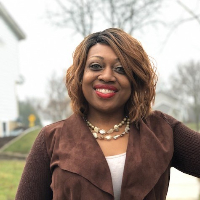
Elizabeth Malchow
LCSW
Works with Stress, Anxiety, Relationship, Family and 8 more
Location Wisconsin 7 years in practice
Gottman Method therapist directory
32 therapists based in Wisconsin name the Gottman Method among their approaches. Sessions are online; a therapist can usually only see people in the states where they hold a license, so check the license line on each profile.
Welcome to our Wisconsin directory of online therapists - here you can find licensed mental health professionals who offer remote counseling across the state. Browse profiles to compare focus areas, therapeutic approaches, credentials, languages and experience to find a good match for your needs.
LCSW
LPC
LPC
LPC
LCSW
LCSW
LPC
LPC
LPC
LPC
LPC
LCSW
LMFT
LPC
LPC
LCSW, CSW
LMFT
LMFT
LMFT
LPC
WI Psychologist
LPC
LCSW
LPC
LCSW
LPC
LCSW
LPC
LPC
Some links on this page are partner links. We will earn a commission if you sign up through one, at no cost to you. It does not change what you pay or the order of the listings.
Online therapy has become a widely used option for people living in Wisconsin, offering an alternative to office-based sessions that fits more varied schedules and geography. State licensing rules require that therapists who provide services to Wisconsin residents hold the appropriate Wisconsin licensure, so the profiles listed here reflect that regulatory expectation. Technology now allows for video, phone and messaging formats, and many Wisconsin clinicians list these options among their approaches. You should expect to see a mix of mental health professionals including licensed clinical social workers, professional counselors, marriage and family therapists and psychologists who indicate the types of online services they provide.
Availability of online services can vary by clinician focus and platform preferences, and practice models may include brief skill-based therapy, ongoing psychotherapy and consultation for relationship or life transitions. Because rules about interstate practice can affect whether a therapist can legally work with you, the most reliable course is to confirm that the clinician’s licensure covers practice with Wisconsin residents. This overview is intended to help you understand the landscape so you can navigate options with confidence and find a clinician who lists both the approach and population focus that match your needs.
Online therapy makes it easier to connect with a clinician without the need to travel, which can be especially helpful if you live in a rural part of Wisconsin where in-person options are limited. You can attend sessions from home or another place you find comfortable, reducing commute time and allowing therapy to fit into a workday, school schedule or family routine. For people juggling caregiving or multiple responsibilities, the convenience of remote sessions often lowers a practical barrier to getting help when you want it.
Another advantage is access to a wider range of clinicians. You are not limited to providers within a short driving distance, so you may find someone who lists experience with your particular concerns, cultural background or language preference. Online therapy can also support continuity of care if you move within the state or travel for work for short periods. While the format does not replace every type of in-person support, many people find that consistent remote sessions offer meaningful progress on relationship concerns, mood regulation, stress management and life transitions.
Online therapists in Wisconsin report working with many of the same issues that bring people to in-person care. You will often find clinicians who list experience addressing anxiety, depression, grief, relationship challenges, parenting and family dynamics, career transitions and stress related to school or work. Many clinicians also indicate they work with trauma-related concerns, substance use challenges, chronic health adjustment and perinatal or postpartum emotional needs. Because each clinician describes their focus differently, you can look for profile language that resonates with your situation.
Couples and family work is commonly adapted to remote formats, with sessions designed to improve communication patterns, problem solving and emotional connection. For young adults and older adults alike, online counseling can be helpful for navigating life-stage challenges like college, caregiving for aging relatives and retirement planning-related stress. When you review clinician profiles, note both the populations they list and the approaches they use, such as cognitive-behavioral strategies, relational frameworks or mindfulness-based practices. Remember that a clinician listing a specific approach is not the same as formal certification; it simply indicates an approach they use in practice.
Verifying a clinician’s license is an important step in choosing an online therapist. Wisconsin maintains public records for licensed professions through its official licensing body. To confirm licensure, search the state’s license lookup by the clinician’s name or license number to view current status, license type and any disciplinary actions that may be on record. Look for the expiration date on the license and the exact credential type, such as licensed clinical social worker, professional counselor, marriage and family therapist or psychologist, so you understand what scope of practice that credential typically indicates.
When a clinician works across state lines, rules about where they may practice can vary. If you are located in Wisconsin, prioritize therapists who list a Wisconsin license. If a clinician indicates experience working with people in multiple states, ask them directly about the legal basis for offering services where you live. In addition to license verification, review any public consumer complaint history to see whether there are formal actions on the record. This step gives you factual information about a clinician’s regulatory standing and helps you make an informed choice.
Begin by identifying the issues you want to address and the qualities you value in a clinician - such as therapeutic approach, cultural competence, language match or experience with certain populations. Use those criteria to filter clinician profiles. Read short bios to get a sense of how a clinician describes their work, the populations they mention and the modalities they list. Profiles typically include information about education, license type and topical focus, which together help you narrow your options to a handful of clinicians you might contact.
When you contact a clinician or use a directory contact form, prepare a few questions that matter to you. Good topics include how they describe their approach to the issue you are facing, whether their work tends to be short-term or longer-term, and how they handle practical matters like session length and payment methods. Ask about their experience with any cultural, identity or life-stage issues that are important to you. If you have preferences about session format - video, phone or messaging - ask which formats they offer and how they structure remote sessions to maintain a respectful and effective environment.
Trust your first impressions but also give yourself permission to try a session and then reflect on whether the clinician’s style feels like a good fit. You are looking for a working relationship where you can be heard and where the clinician’s approach aligns with your goals. It is appropriate to gather information from more than one profile and to reach out to a few clinicians before making a decision. By taking small, practical steps - verifying licensure, reading profiles carefully, asking focused questions and reflecting on fit after an initial session - you increase the likelihood of finding an online therapist in Wisconsin who matches your needs and helps move you forward.
Choosing an online therapist is a personal process. Use the directory to explore licensed clinicians who list approaches and focus areas that matter to you, verify credentials through the state licensing system and reach out with thoughtful questions. With clear criteria and a few initial conversations, you can find a clinician whose style and experience align with the support you are seeking.