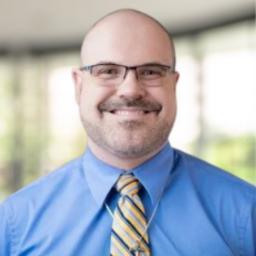
Dr. Brannon Pruet, LPC
Therapist in Colorado
Dr.
- License 5059 · Colorado Expires August 2027
- NPI 1740425438 · national registry
- Experience and languages 3+ years in practice English
Details are as listed on the therapist's public professional profile. You can check any license with the state board and any NPI with the national registry.
About Brannon
Dr. Brannon Pruet helps people facing stress, anxiety, addiction, depression, trauma, grief, and relationship strain. He also supports those dealing with ADHD, eating concerns, self-esteem struggles, and major life changes.
Dr. Pruet is an LPC in Colorado and brings a practical, down-to-earth style to sessions. He keeps sessions focused and conversational.
People can expect straightforward tools, skill practice, and space to tell their story. Dr. Pruet draws on cognitive behavioral and client-centered methods to help people clarify values and change unhelpful patterns.
Background and approach
His background includes years in acute psychiatric settings and community mental health. That experience shaped his ability to handle complex and persistent conditions. He has worked in hospitals, emergency rooms, and adolescent programs before opening a independent practice in Aurora.
Dr. Pruet earned a doctorate in psychology from Grand Canyon University and a master’s degree in counseling from Denver Seminary. He also completed graduate theological studies and is an ordained evangelical Christian minister.
These experiences inform his approach when clients wish to include spiritual or faith concerns. Sessions mix practical skill-building with listening and problem solving. Techniques may include behavior change work, acceptance strategies, and emotion regulation tools drawn from DBT and ACT.
The goal is to equip people to manage symptoms, rebuild routines, and move toward clearer goals.
Credentials
- LPC (Colorado)
- License 5059 · expires August 2027
- NPI
- 1740425438 · national provider identifier
Both are public records. A state board register will confirm a license and its standing, and the national registry will confirm an NPI. This directory copies what the therapist lists and checks neither.
Focus areas and approaches
Everything Brannon lists on their public professional profile, in their own terms.
- Stress, Anxiety
- Addictions
- Relationship issues
- Trauma and abuse
- Depression
- Family conflicts
- Grief
- Eating disorders
- Self esteem
- Bipolar disorder
- Coping with life changes
- Coaching
- Compassion fatigue
- ADHD
- Abandonment
- Adoption and foster care
- Attachment issues
- Avoidant personality
- Body image
- Co-morbidity
- Codependency
- Commitment issues
- Dependent personality
- Disruptive Mood Dysregulation Disorder (DMDD)
- Dissociation
- Divorce and separation
- Domestic violence
- Drug and alcohol addiction
- Emptiness
- Family of origin issues
- Family problems
- Fatherhood issues
- Forgiveness
- Guilt and shame
- Hospice and end-of-life counseling
- Impulsivity
- Infidelity
- Isolation / loneliness
- Jealousy
- Men's issues
- Midlife crisis
- Veteran and Armed Forces Issues
- Mood disorders
- Obsessions, compulsions, and OCD
- Panic disorder and panic attacks
- Paranoia
- Personality disorders
- Phobias
- Postpartum depression
- Post-traumatic stress
- Prejudice and discrimination
- Process addiction (porn, exercise, gambling)
- Seasonal Affective Disorder (SAD)
- Self-harm
- Self-love
- Sex addiction
- Sexual assault and abuse
- Smoking / vaping cessation
- Somatization
- Workplace issues
- Young adult issues
Approaches Brannon names
- Gottman Method
- Acceptance and Commitment Therapy (ACT)
- Client-Centered Therapy
- Cognitive Behavioral Therapy (CBT)
- Dialectical Behavior Therapy (DBT)
- Existential Therapy
- Eye Movement Desensitization and Reprocessing (EMDR)
- Motivational Interviewing
- Solution-Focused Therapy
- Trauma-Focused Therapy
These are the approaches Brannon names on their own professional profile. Naming an approach is not evidence of training or certification in it, and this directory checks no training records. Ask directly if it matters to you.
Online support
Therapeutic approaches for online care
Dr. Pruet commonly draws from the Gottman Method, Acceptance and Commitment Therapy (ACT), and Client-Centered Therapy. The Gottman Method focuses on improving communication and reducing harmful interaction patterns in relationships through clear skills and exercises. ACT helps people notice difficult thoughts and feelings while taking action toward personal values rather than getting stuck. Client-Centered Therapy centers the person’s perspective and provides a respectful, nonjudgmental space to talk and make decisions.Choosing the right approach is part of the work together. He will listen to a person's goals, preferences, and current struggles and discuss which methods seem most useful. That collaborative process guides whether sessions emphasize behavior change, acceptance strategies, or relational skill building.
Online formats include video calls, phone sessions, live chat, and text-based messaging. Video sessions let people work face-to-face for teaching skills and practicing conversations. Phone sessions can be easier when bandwidth is limited or for shorter check-ins. Live chat and messaging suit quick check-ins, tracking progress, and brief coaching between longer sessions. These options make it easier to fit therapy into a busy schedule and to keep consistent contact with a licensed professional.
We will earn a commission if you sign up through our link, at no cost to you. It does not change what you pay or the order of the listings.
Frequently asked
What kinds of problems does he help with?
He supports people with stress, anxiety, depression, trauma, addiction, relationship and family concerns, grief, ADHD, eating and self-esteem struggles, and coping with life changes.
What is his therapeutic style like?
He uses a practical, conversational approach that blends listening with skill teaching. Sessions aim to clarify values and build tools for everyday challenges.
How much clinical experience does he have?
He has three years of experience as an LPC and many prior years working in hospitals, emergency rooms, and community mental health settings.
What are his credentials and where is he based?
He is a Licensed Professional Counselor (LPC) in Colorado and practices from that state.
Which languages are supported for sessions?
Sessions are offered in English.
What session formats are available?
He offers video calls, phone sessions, live chat, and text-based messaging for appointments.
How does payment and cost work?
Cost varies with location and therapist availability; sessions use a subscription model that can be canceled at any time.
How do I begin therapy with him?
Select the Start Therapy button, complete a short matching questionnaire, and schedule according to therapist availability.
More therapists in Colorado
See all
Linda Seibert
LPC

Renee Joyce
LMFT

Kelsey Goss
LPC

Kelley Sullivan
LCSW
Is this your profile?
Ask us to correct details or take the page down.