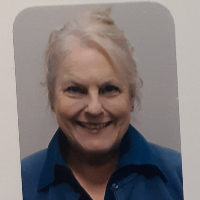
Steven Brashear
LMHC
Works with Stress, Anxiety, Trauma and abuse, Grief and 2 more
Location Florida 5 years in practice
Gottman Method therapist directory
182 therapists in this directory list Licensed Mental Health Counselor (LMHC). Registration details are shown as each therapist lists them; the body's own public register is the place to check a number.
A Licensed Mental Health Counselor (LMHC) is a professional who has completed graduate training and state licensure to provide counseling and psychotherapy. Below you can browse verified LMHC therapists who list this credential in their profiles.
Use the listings to review specialties, approaches, languages, and professional background to find counselors that align with your needs.
LMHC
LMHC, LMFT
LMHC
LMHC
LMHC
LMHC
LMHC
LMHC
LMHC
LMHC
LMHC
LMHC
LMHC
LMHC
LMHC
LMHC, LCPC
LMHC, LPC
LMHC
LMHC
LMHC
LMHC
LMHC, LCMHC
LCPC, LMHC
LMHC
LMHC
LMHC
LMHC, LMFT
LMHC, LMFT
LPC-MH, LMHC
LPC, LMHC
LMHC
LMHC
LMHC, LPCC
LMHC
LMHC, LCPC
LPC, LMHC
LPC, LMHC
LPC, LPC-MH, LMHC
LMHC
LMHC
LMHC
LMHC
LPC, LMHC
LMHC
LMHC
LPC, LMHC
Some links on this page are partner links. We will earn a commission if you sign up through one, at no cost to you. It does not change what you pay or the order of the listings.
A Licensed Mental Health Counselor, often abbreviated LMHC, is a clinician who has completed a graduate degree in counseling or a closely related field and fulfilled state-required supervised clinical hours. After meeting educational and supervised practice requirements, a clinician must pass the relevant licensure examinations and apply for credentialing through their state board. Licensure establishes that a clinician has met the regulatory standards for independent practice in that jurisdiction. Requirements vary by state, so the path to an LMHC in one state can look different from the path in another, but the common elements are graduate-level training, a period of supervised clinical experience, and successful completion of licensing exams.
When you review a profile that lists LMHC, you can expect that the clinician has completed the documented steps required by the state licensing authority. This credential signals that the counselor has met professional benchmarks for education and supervised clinical practice and has submitted to regulatory oversight by a licensing board.
LMHCs provide assessment, diagnosis, and treatment of emotional and behavioral conditions through psychotherapy and counseling. They work with individuals, couples, families, and groups to address concerns such as anxiety, depression, relationship difficulties, life transitions, and stress management. Their work often includes developing treatment plans, using evidence-informed therapeutic approaches, and monitoring progress over time. LMHCs often emphasize talk therapy modalities and clinical intervention strategies suited to each person’s needs.
Comparing LMHCs to other types of licensees can help you understand differences in training and focus without implying superiority. Licensed clinical social workers, psychologists, professional counselors, and psychiatrists each have distinct educational backgrounds and scopes of practice. Psychologists typically hold doctoral degrees and may conduct psychological testing. Psychiatrists are medical doctors who can prescribe medication and manage medical aspects of mental health care. Licensed social workers may bring a background in social systems and case management, and licensed professional counselors often have training similar to LMHCs but with different state-specific titles. If you want certain services, such as psychological testing or medication management, consider the specific roles of each license type when reviewing profiles.
LMHCs commonly work with a wide range of presenting concerns. Many list specialties that include mood disorders like depression, anxiety-related conditions, trauma and stressor-related issues, grief, relationship and family concerns, and adolescent or child therapy. Others focus on life transitions, workplace stress, substance-related issues, or coping with chronic illness. Some LMHCs emphasize therapy for couples, parenting support, or coaching for personal development. Because the credential is broad, individual LMHCs may shape their practice around particular populations, life stages, or approaches to therapy.
When profiles note therapeutic approaches, remember that those listings indicate what a clinician uses in practice rather than a formal attestation of training. You will find LMHCs who list cognitive-behavioral approaches, psychodynamic perspectives, mindfulness-informed methods, trauma-focused modalities, or other approaches. If a particular treatment orientation or population focus matters to you, look for profiles where the clinician explicitly describes experience with the issues you want to address and explains how they apply their approach in sessions.
To confirm that a counselor holds an LMHC credential, start with the information on the clinician’s profile and cross-check it with the issuing state licensing board. Most states offer online license lookup tools where you can enter a practitioner’s name or license number to view current status, expiration date, and any disciplinary actions. Verify that the name listed on the board matches the profile information and that the license is active. If a profile includes a license number, that can speed your search, but you can also search by name and location. Licensing boards are the authoritative source for verification because they maintain regulatory records and public discipline histories.
If you have questions about a credential or encounter unclear information, you can contact the state licensing board for clarification. Boards can confirm whether a person is licensed in that state, outline any public orders or restrictions, and explain what the credential permits within that jurisdiction. Keeping this verification step in mind helps you make informed decisions when comparing several LMHC profiles.
Choosing a counselor with an LMHC credential can offer clarity about the clinician’s training pathway and licensure oversight. This credential signals that the clinician completed graduate education, supervised clinical hours, and passed state licensure requirements. For many people, that transparency about professional standards is a helpful starting point when exploring therapy options.
When you are searching, think about the specific qualities that matter most to you. Consider the populations and issues a clinician lists, the therapeutic approaches they describe, and any languages or cultural competencies noted in their profile. Read clinician bios to get a sense of their style, treatment focus, and professional experience. Look for descriptions that explain how they work with someone like you rather than short lists of techniques. If you prefer certain therapeutic approaches, seek profiles where clinicians say they use those approaches, keeping in mind that listings indicate clinical practice preferences rather than formal certification.
Reflect on logistical and relational factors that influence a good match. Decide whether you value a clinician who emphasizes short-term skills and strategies, one who focuses on long-term exploration, or someone with specific experience working with your age group or life stage. Pay attention to wording about session format, languages spoken, and cultural perspectives to ensure the clinician’s profile aligns with your needs. Finally, trust your response to a clinician’s described approach and background; how comfortable you feel with a counselor’s stated orientation and experience is an important part of choosing the right professional for your care.
By combining verification through the licensing board with careful review of profiles and clear attention to your personal preferences, you can narrow your search to LMHC clinicians whose backgrounds, specialties, and approaches match what you are seeking. Use the directory listings to gather information, and let those details guide your next steps.