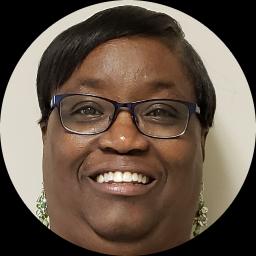
Monica Rawlings
LCMHC
Works with Stress, Anxiety, Addictions, Relationship and 13 more
Location Utah 10 years in practice
Gottman Method therapist directory
45 therapists in this directory list Licensed Clinical Mental Health Counselor (LCMHC). Registration details are shown as each therapist lists them; the body's own public register is the place to check a number.
A Licensed Clinical Mental Health Counselor (LCMHC) is a licensed professional who has completed graduate-level education and supervised clinical hours to provide mental health assessment and psychotherapy. Browse the verified LCMHC therapists listed below to review profiles, credentials, approaches, and specialties.
LCMHC
LMHC, LCMHC
LPC, LCMHC
LCMHC
LPC, LCMHC
LCMHC
LCMHC
LCMHC
LCMHC
LMHC, LCMHC
LCMHC, LPC
LPC, LCMHC
LCMHC
LCMHC, LMHC
LCMHC
LPC, LCMHC
LCMHC
LPMHC, LCMHC
LCMHC, LMHC
LCMHC
LCMHC
LCMHC, LPC
LCMHC, LMHC
LPC, LCMHC
LCMHC
LCMHC
LCMHC
LPCC, LCMHC
LPC, LCMHC
LCMHC
LCMHC, LCPC
LCMHC, LCPC
LCMHC
LCMHC
LCMHC
LCMHC
LCMHC
LPC, LCMHC
LCMHC, LPC
LMHC, LCMHC
LCMHC
LCMHC
LCMHC
Some links on this page are partner links. We will earn a commission if you sign up through one, at no cost to you. It does not change what you pay or the order of the listings.
The designation Licensed Clinical Mental Health Counselor - LCMHC - indicates that a counselor has met state requirements for graduate education, supervised clinical experience, and successful passage of required licensing exams. In most states the path begins with a master’s or doctoral degree in counseling, counselor education, or a closely related field. After finishing coursework, prospective counselors complete a period of supervised clinical practice that typically spans thousands of hours under the oversight of an experienced clinician. Licensing boards then review education, supervision logs, and exam scores before issuing the LCMHC credential.
You will commonly see that LCMHC professionals have completed curriculum in counseling theories, assessment, multicultural practice, and ethics. They often gain practical experience through internships and practicum placements in schools, community clinics, hospitals, or counseling centers before moving into the required supervised hours. Licensing exams assess clinical knowledge and ethical decision making. Because licensure rules vary, the exact number of supervised hours and exam requirements depend on the state where the counselor practices.
LCMHC is a regulated license issued by a state board. That legal recognition means the counselor has met defined standards for education and practice within that jurisdiction. The credential is different from voluntary certificates or workshop credentials, which do not replace state licensure. When you look at a clinician’s profile, the LCMHC designation signals that the person has pursued the formal licensing pathway required to provide clinical mental health counseling in their state.
LCMHC counselors are qualified to provide psychotherapy, perform mental health assessments, offer diagnosis where allowed by state law, and develop treatment plans for individuals, couples, families, and groups. In clinical settings they may work with a range of concerns from anxiety and depression to trauma-related issues and relationship challenges. Unlike psychiatrists, who are medical doctors and may prescribe medication, LCMHC counselors do not prescribe medications. If medication is a consideration for you, an LCMHC can coordinate care with a medical provider or psychiatrist.
You may also encounter other common credentials such as Licensed Clinical Social Worker (LCSW), Licensed Professional Counselor (LPC), psychologist (PhD or PsyD), and psychiatric prescribers. Each credential reflects different training emphases and regulatory frameworks. For example, psychologists typically have doctoral-level training that emphasizes assessment and psychological testing, while social workers often integrate social systems and community resources into care. LCMHCs tend to emphasize counseling theory and clinical interventions developed within counseling disciplines, and they practice in many of the same settings you would find counselors and therapists from other backgrounds.
LCMHC counselors work across a wide range of clinical concerns and population groups. You will find counselors who focus on mood disorders, anxiety, trauma and post-traumatic stress, grief and loss, substance-related concerns, and behavioral issues. Other counselors specialize in relationship work such as couple therapy or family counseling, while some focus on child and adolescent counseling or issues related to life transitions, career and vocational concerns, and LGBTQ+ affirming care. Clinicians often emphasize cultural competence and linguistic capabilities to meet the needs of diverse communities.
On therapist profiles you may see approaches listed like cognitive-behavioral strategies, psychodynamic perspectives, humanistic techniques, mindfulness-based practices, and methods addressing trauma. Because profiles report the approaches a counselor lists, those descriptions indicate the frameworks they use rather than formal certifications. When you read a listing it is useful to note which approaches resonate with you and to consider how those approaches align with your goals for therapy.
Verifying a counselor’s LCMHC credential is an important step in choosing care. The most reliable route is to check the licensing board in the state where the counselor practices. State licensing boards typically offer an online license lookup tool where you can confirm the counselor’s license type, current status, license number, and expiration date. These public records sometimes include disciplinary histories or consumer alerts, as well as the date the license was issued. If you have questions about the information you find, most boards provide contact details for public inquiries.
When you search a board database, match the counselor’s full name, credential, and license number if one is listed on the profile. If the counselor practices across state lines or offers telehealth across states, be aware that licensure is state-specific. You may also review educational background and documented specialties on a counselor’s profile, and contact the counselor directly to ask about their supervised experience or the types of settings where they have practiced. Checking professional memberships and state board information together gives you a fuller picture of a clinician’s standing and professional pathway.
Choosing an LCMHC counselor offers the assurance that the clinician has completed a defined licensure pathway and met state requirements for supervised clinical practice. Counselors with this credential are equipped to provide psychotherapy across a range of clinical issues and to work collaboratively with other health professionals. If you value a counseling-focused approach to treatment, an LCMHC can help you develop coping strategies, process life events, and work toward specific therapeutic goals.
Begin by clarifying what you want from counseling - symptom relief, skill building, relationship work, or support through a life transition. Look for counselors who list corresponding specialties and approaches that match your preferences. Read profiles for information about educational background, languages spoken, populations served, and therapeutic philosophy. Consider logistical factors such as session format - whether you prefer in-person meetings, telehealth sessions, or a mix - and payment methods, including insurance participation or sliding scale options, as these affect how you can access care. When you contact a counselor, prepare a few questions about their approach to treatment, typical session structure, and how they measure progress so you can gauge whether their style aligns with your expectations. Trust your sense of fit with the counselor’s communication and approach - a strong working relationship is often a key component of helpful therapy.
By combining license verification with attention to specialties, approach, and personal fit, you can make an informed choice when selecting an LCMHC counselor. Use profile information to narrow options and plan an initial conversation that focuses on goals, style, and practical arrangements so you can move forward with confidence in your decision.