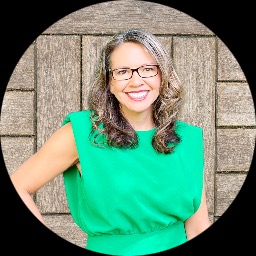
Marla Monk, LCSW, LISW-CP
Therapist in South Carolina
Marla Monk is a licensed clinical social worker who blends relationship-focused methods with practical coping tools.
- License 88007, 14794, 0904015471 · California, South Carolina, Virginia Expires February 2027, December 2026, June 2026
- NPI 1508320417 · national registry
- Experience and languages 5+ years in practice English
Details are as listed on the therapist's public professional profile. You can check any license with the state board and any NPI with the national registry.
About Marla
Marla Monk is a licensed clinical social worker who blends relationship-focused methods with practical coping tools. She holds LCSW and LISW-CP credentials and practices from South Carolina. Marla uses straightforward language and a calm presence to help people facing relationship strain, stress, anxiety, grief, and trauma-related concerns.
Marla draws on approaches that center on relationships and emotions while also teaching skills to manage difficult feelings. In sessions she often focuses on communication patterns, rebuilding trust, and improving emotional connection.
Background and approach
She also uses behavior-focused strategies to reduce anxiety and manage overwhelming thoughts. Her background includes work with military-connected populations, veterans, and people affected by domestic violence and sexual assault. That experience informs her attention to safety, pacing, and practical supports when people are healing from traumatic events or significant loss.
Marla also helps people dealing with parenting stress, adoption and foster care issues, caregiver burden, career strain, and compassion fatigue. She frames progress as small, steady steps and pairs skill practice with conversations about values and goals. Sessions are offered in English using video calls, phone, live chat, or text-based messaging.
Therapy is billed through a subscription model that can be canceled at any time. To begin, users select the Start Therapy button and complete a short matching questionnaire before scheduling.
Credentials
- LCSW (California)
- License 88007 · expires February 2027
- LISW-CP (South Carolina)
- License 14794 · expires December 2026
- LCSW (Virginia)
- License 0904015471 · expires June 2026
- NPI
- 1508320417 · national provider identifier
Both are public records. A state board register will confirm a license and its standing, and the national registry will confirm an NPI. This directory copies what the therapist lists and checks neither.
Focus areas and approaches
Everything Marla lists on their public professional profile, in their own terms.
- Stress, Anxiety
- Relationship issues
- Trauma and abuse
- Self esteem
- Coping with life changes
- LGBT
- Family conflicts
- Grief
- Intimacy-related issues
- Parenting issues
- Anger management
- Career difficulties
- Depression
- Compassion fatigue
- Adoption and foster care
- Caregiver issues and stress
- Communication problems
- Control issues
- Divorce and separation
- Domestic violence
- Family of origin issues
- First responder issues
- Forgiveness
- Veteran and Armed Forces Issues
- Post-traumatic stress
- Self-love
- Sexual assault and abuse
- Women's issues
Approaches Marla names
- Gottman Method
- Client-Centered Therapy
- Cognitive Behavioral Therapy (CBT)
- Dialectical Behavior Therapy (DBT)
- Emotionally-Focused Therapy (EFT)
- Mindfulness Therapy
- Motivational Interviewing
- Solution-Focused Therapy
- Trauma-Focused Therapy
These are the approaches Marla names on their own professional profile. Naming an approach is not evidence of training or certification in it, and this directory checks no training records. Ask directly if it matters to you.
Online support
How relationship work and skills fit into online therapy
Marla uses the Gottman Method approach to look at how couples communicate and to identify patterns that harm connection. That work focuses on improving communication, reducing conflict cycles, and rebuilding routine habits that support closeness.She also uses Client-Centered Therapy, which emphasizes listening, empathy, and following the person’s pace. That approach helps people feel heard and to identify their own goals for change. Cognitive Behavioral Therapy, or CBT, provides hands-on tools to change unhelpful thoughts and behaviors and is often used for anxiety, depression, and stress management.
Choosing the right approach is part of the process. Marla will talk with each person about goals and preferences and then suggest a mix of methods that fit their situation. That decision is collaborative and can change as progress is made.
Online therapy offers flexibility through video calls, phone sessions, live chat, or text-based messaging. Video sessions let people work face-to-face from wherever they are, phone sessions can be easier when bandwidth is limited, and live chat or text messaging can suit quick check-ins or ongoing support between sessions. These options make it easier to fit therapy into work, family life, and busy schedules.
We will earn a commission if you sign up through our link, at no cost to you. It does not change what you pay or the order of the listings.
Frequently asked
What problems does Marla help with?
She supports people facing stress, anxiety, depression, grief, relationship difficulties, trauma and abuse, and intimacy-related issues. Additional areas include parenting, caregiver strain, career concerns, and compassion fatigue.
What is her overall therapy style?
Her work combines relationship-focused methods with skill-based approaches. Sessions mix emotional work around connection with practical strategies for behavior and thought changes.
What experience does she bring?
Marla has five years of documented practice as a licensed clinician and prior experience with military-connected populations, veterans, and domestic violence advocacy.
What credentials and region apply?
She holds LCSW and LISW-CP credentials and provides services from South Carolina.
Which languages and international options are available?
Sessions are offered in English. International clients are not currently accepted.
How can sessions be delivered?
Therapy is available via video calls, phone sessions, live chat, or text-based messaging to fit different needs and schedules.
How are sessions paid for?
Cost varies with location and therapist availability; sessions use a subscription that can be canceled at any time.
What are the first steps to begin therapy?
Start by selecting the Start Therapy button, complete a short matching questionnaire, and then schedule according to therapist availability.
More therapists in South Carolina
See all
Tanya Smith
LPC
Frances Patton
LMFT

Cynthia Byas
LMFT
Monique Gilcrest
LPC
Is this your profile?
Ask us to correct details or take the page down.