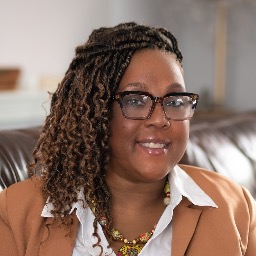
Noam Dinovitz
MD, LCSW-C, LCSW
Works with Stress, Anxiety, Addictions, Self esteem and 15 more
Location Pennsylvania 7 years in practice
Gottman Method therapist directory
5 therapists in this directory list Licensed Certified Social Worker - Clinical (LCSW-C). Registration details are shown as each therapist lists them; the body's own public register is the place to check a number.
A Licensed Certified Social Worker - Clinical (LCSW-C) is a clinical social work license that requires a master’s degree, supervised clinical experience and state licensure to provide psychotherapy. Browse verified LCSW-C therapists below to review profiles, approaches, languages and professional credentials.
MD, LCSW-C, LCSW
MD, LCSW-C
LCSW, MD, LCSW-C
MD, LCSW-C
MD, LCSW-C, LCSW
Some links on this page are partner links. We will earn a commission if you sign up through one, at no cost to you. It does not change what you pay or the order of the listings.
Licensed Certified Social Worker - Clinical (LCSW-C) is a designation used in some states to identify social workers who have completed the education, supervised practice and licensing steps required to provide clinical mental health services. Typically you will find that an LCSW-C designation indicates the clinician holds a master’s degree in social work from an accredited program and has accrued a period of post-graduate supervised clinical hours in assessment, diagnosis and therapeutic intervention. After meeting state-specific requirements, candidates must pass a licensing examination and receive official recognition from their state licensing board. The credential emphasizes social work perspectives on mental health, focusing on how individuals interact with their environments, relationships and systems.
The pathway to LCSW-C status usually begins with graduate-level coursework in social work theory, human development, ethics and clinical methods. Following graduation you will find that most candidates complete multiple years of supervised clinical practice under a licensed supervisor as part of the licensure process. This supervised experience is intended to build competence in working with a range of mental health concerns, case conceptualization and intervention planning. The specific number of required hours and the examination content vary by state, so the timeline to licensure may differ depending on where you live.
An LCSW-C is qualified to provide psychotherapy, conduct clinical assessments, and develop treatment plans for individuals, couples and families. Because the credential is grounded in social work, many LCSW-C therapists integrate an understanding of social systems, community resources and advocacy into their clinical approach. Compared with other license types you may encounter, such as psychologists, professional counselors or marriage and family therapists, LCSW-Cs have distinct training in social work theory and practice. That does not mean one credential is universally better than another; rather, each license type brings different emphases. Psychologists often have doctoral-level training with a stronger focus on research and psychological testing. Licensed professional counselors may have focused training in counseling techniques and shorter supervised practice requirements in some jurisdictions. Marriage and family therapists often concentrate on relational dynamics within families. When you read profiles, look at the therapist’s described approaches, populations and settings to see how their background aligns with what you are seeking.
LCSW-C therapists commonly work in outpatient clinics, hospitals, community agencies and independent practice settings. They may provide individual psychotherapy, couples therapy, family therapy and group therapy. Many also have experience coordinating care with other professionals, connecting clients to community resources, and addressing broader social determinants that influence mental health, such as housing, employment and family stressors. The scope of practice can vary by state law, so it is helpful to confirm role expectations through the therapist’s profile and state licensing resources.
Because social work training emphasizes the interplay between individuals and their environments, LCSW-C therapists often work with a wide range of clinical and social concerns. You might find LCSW-Cs who list experience with mood-related concerns such as depression and anxiety, with relational issues including couples or family conflict, or with life transitions like grief, parenting challenges and career changes. Many also list approaches for trauma-related distress, stress management and coping strategies. In community-oriented settings, LCSW-Cs frequently address needs related to social determinants of health, including resource navigation, advocacy and systems-level support. The combination of clinical skills and practical problem-solving can be helpful if you are seeking someone who considers both internal and external factors affecting your well-being.
LCSW-C therapists often describe populations they work with, such as adolescents, adults, older adults or specific communities. Some list language abilities or cultural competencies that can support culturally responsive care. If you have a preference for a therapist with experience serving specific identity groups or life stages, look for those details in a profile and in how the therapist describes their clinical focus. Keep in mind that a therapist listing an approach or population is not the same as holding a formal specialization; those descriptions reflect the clinician’s focus and experience as presented in their profile.
Verifying a LCSW-C credential is an important step when you are selecting a therapist. Because licensure is managed at the state level, a reliable way to confirm a license is active is to check the relevant state licensing board’s online verification tool. Most boards allow you to search by name or license number to see licensure status, expiration date and any public disciplinary history. If a profile includes a license number, you can enter that directly. If not, a name search with the therapist’s city or state typically returns the same information. Licensing boards also publish the exact title of the credential as recognized in that jurisdiction, which helps clarify whether the designation on a profile matches the official record.
When reviewing a profile or contacting a therapist, you may want to confirm the state in which they are licensed, the exact credential title and the date of licensure. You can also inquire about professional liability insurance if that is relevant for your circumstances. Verifying licensure through the state board reduces uncertainty about whether the clinical title listed on a profile corresponds with the public record. All of this helps you make an informed choice about the clinician you may contact.
Choosing an LCSW-C therapist can offer several practical benefits depending on your needs. If you are looking for someone who integrates an understanding of social systems and community resources into clinical work, an LCSW-C may be well suited to that perspective. You will often find clinicians who place emphasis on collaboration, practical problem-solving and connecting therapy with real-world supports. For people navigating relationship difficulties, life transitions or complex stressors that intersect with housing, employment or family systems, that combined focus can feel especially relevant.
When you search for a good match, think about the issues you want help with and the kind of approach that feels most helpful to you. Read profiles for descriptions of practice focus, typical client populations and therapeutic approaches. Note any language skills, cultural background or stated areas of interest that align with your priorities. It can be helpful to consider the therapist’s experience with similar concerns as described in their profile and whether they mention working with related life circumstances. If a therapist lists clinical approaches you prefer, remember that these are self-reported and represent the clinician’s orientation rather than formal certifications unless otherwise stated.
Beyond credentials and specialties, pay attention to logistics that matter to you - whether the therapist lists the city or state where they practice, the populations they work with and any languages spoken. Consider reaching out to ask about communication preferences, how they describe their approach to therapy, and what a typical first session might focus on. These conversations can give you a sense of whether you feel comfortable with their style and how they think about goals for treatment. Trust your judgment about rapport and whether the clinician’s stated values and methods align with what you want from therapy.
Choosing a therapist is a personal decision and having clear information about credentials like LCSW-C, licensure verification and clinical focus can help you navigate options with confidence. Use profiles to compare approaches, languages and professional background, verify licensure through your state board, and prioritize the relationship and values that will support your therapeutic goals.