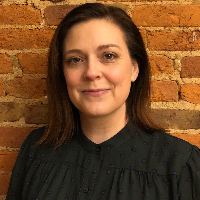
Wendy Gaunt, LPC
Therapist in Pennsylvania
Wendy Gaunt is a Licensed Professional Counselor (LPC) in Pennsylvania who helps people facing relationship struggles, trauma and abuse, depression, anxiety, grief, and identity or gender concerns.
- License PC012054 · Pennsylvania Expires February 2027
- NPI 1699305078 · national registry
- Experience and languages 5+ years in practice English
Details are as listed on the therapist's public professional profile. You can check any license with the state board and any NPI with the national registry.
About Wendy
Wendy Gaunt is a Licensed Professional Counselor (LPC) in Pennsylvania who helps people facing relationship struggles, trauma and abuse, depression, anxiety, grief, and identity or gender concerns. She also supports people dealing with stress, addictions, parenting strain, career challenges, and problems with sleep or eating. Wendy approaches care with warmth and directness to help people take practical steps forward.
Her work starts with listening to each person's story and strengths.
Background and approach
She centers sessions on the client's needs and goals, then uses practical tools from evidence-based approaches. Conversations may include tracking thoughts and behaviors, noticing reactions in close relationships, and learning acceptance-based skills for hard feelings.
Wendy draws on several therapy methods to fit what a person needs, including Acceptance and Commitment Therapy, Cognitive Behavioral Therapy, Attachment-Based approaches, the Gottman Method, and client-centered care. She aims to make techniques understandable and useful in everyday life rather than abstract theory. Sessions are offered by video, phone, live chat, or text-based messaging to match different schedules and preferences.
Wendy brings five years of clinical experience to help people move through difficult moments and build clearer patterns in relationships and self-care. She works with individuals facing a wide range of concerns such as caregiver stress, communication or commitment issues, dissociation, domestic violence recovery, substance concerns, gender dysphoria, and compassion fatigue. The focus is practical change, one step at a time.
Credentials
- LPC (Pennsylvania)
- License PC012054 · expires February 2027
- NPI
- 1699305078 · national provider identifier
Both are public records. A state board register will confirm a license and its standing, and the national registry will confirm an NPI. This directory copies what the therapist lists and checks neither.
Focus areas and approaches
Everything Wendy lists on their public professional profile, in their own terms.
- Relationship issues
- Trauma and abuse
- Self esteem
- Depression
- Coping with life changes
- Stress, Anxiety
- Addictions
- LGBT
- Family conflicts
- Grief
- Intimacy-related issues
- Eating disorders
- Sleeping disorders
- Parenting issues
- Anger management
- Career difficulties
- Bipolar disorder
- Compassion fatigue
- Attachment issues
- Caregiver issues and stress
- Commitment issues
- Communication problems
- Control issues
- Dissociation
- Divorce and separation
- Domestic violence
- Drug and alcohol addiction
- Eating and food-related issues
- Emptiness
- Family problems
- Forgiveness
- Gender dysphoria
- Guilt and shame
- Infidelity
- Isolation / loneliness
- Life purpose
- Midlife crisis
- Money and financial issues
- Mood disorders
- Polyamory / non-monogamous relationships
- Post-traumatic stress
- Self-harm
- Self-love
- Sexual assault and abuse
- Sexuality
- Social anxiety and phobia
- Women's issues
- Workplace issues
- Young adult issues
Approaches Wendy names
- Gottman Method
- Acceptance and Commitment Therapy (ACT)
- Attachment-Based Therapy
- Client-Centered Therapy
- Cognitive Behavioral Therapy (CBT)
- Existential Therapy
- Mindfulness Therapy
- Motivational Interviewing
- Narrative Therapy
- Trauma-Focused Therapy
These are the approaches Wendy names on their own professional profile. Naming an approach is not evidence of training or certification in it, and this directory checks no training records. Ask directly if it matters to you.
Online support
How therapeutic approaches translate to online care
Acceptance and Commitment Therapy (ACT) helps people notice painful thoughts and feelings without getting stuck in them, and then commit to actions that match their values. This approach can be useful for anxiety, depression, grief, and life changes. The Gottman Method focuses on communication patterns and practical skills that improve how people relate to one another, which can help with recurring conflict and intimacy concerns. Attachment-Based Therapy looks at how early relationships shape current reactions and patterns, and it helps people understand and shift those patterns for healthier connections.Finding the right approach is part of the work. The therapist will talk with each person about their goals and preferences, then recommend or combine methods that fit. That collaborative process aims to match tools to what will be most helpful for the client’s situation.
Online therapy here uses video calls, phone sessions, live chat, or text-based messaging to accommodate different needs. Video is well suited for in-depth conversations and skills practice, phone can fit a quick check-in or lower bandwidth, chat works for shorter reflections, and messaging lets clients share thoughts between sessions. These options make it easier to keep therapy consistent around work, family, and other responsibilities.
We will earn a commission if you sign up through our link, at no cost to you. It does not change what you pay or the order of the listings.
Frequently asked
What concerns does this therapist address?
She helps people with relationship trouble, trauma and abuse, depression, anxiety, grief, identity and gender concerns, addiction, parenting strain, sleep and eating issues, and related problems.
How would you describe her therapeutic style?
She combines a person-centered, strengths-based stance with direct, practical interventions. Sessions are collaborative and focus on steps the client can use day to day.
What kind of experience does she bring?
She has five years of clinical experience working in diverse settings with people facing a range of mental health and relationship concerns.
What credentials and location are listed?
She is a Licensed Professional Counselor (LPC) practicing in Pennsylvania.
Which languages does she offer sessions in?
Sessions are offered in English.
What formats are available for sessions?
Sessions can be conducted by video calls, phone sessions, live chat, or text-based messaging.
How is cost handled for sessions?
Cost varies with location and therapist availability; sessions use a subscription model that can be canceled at any time.
How do I begin working with this therapist?
Start by selecting the Start Therapy button, completing a short matching questionnaire, and then scheduling sessions according to therapist availability.
More therapists in Pennsylvania
See all
Cara Kalakewich
LMFT

Elizabeth Smith
LPC

Dr. Anna Ruggirello
LPC, LCPC

Is this your profile?
Ask us to correct details or take the page down.