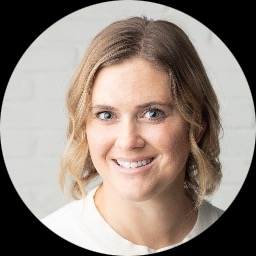
Molly Theurer, LCSW
Therapist in Utah
Molly Theurer is a Licensed Clinical Social Worker (LCSW) based in Utah.
- License 7360701-3501 · Utah Expires September 2026
- NPI 1053584375 · national registry
- Experience and languages 16+ years in practice English
Details are as listed on the therapist's public professional profile. You can check any license with the state board and any NPI with the national registry.
About Molly
Molly Theurer is a Licensed Clinical Social Worker (LCSW) based in Utah. She brings 16 years of experience helping people manage stress, anxiety, depression, and major life changes. Molly speaks English and uses straightforward language so parents and individuals can understand next steps.
She offers practical strategies for mood problems, trauma and abuse, addictions, grief, and relationship strain. Molly also works with concerns related to eating, body image, codependency, attachment, and ADHD.
Background and approach
Her background includes time in residential treatment centers, group homes, hospitals, and both online and in-person counseling. Molly draws from approaches such as the Gottman Method, cognitive behavioral therapy, dialectical behavior therapy, and acceptance and commitment therapy. Sessions focus on clear skills people can try between meetings, not jargon.
She adapts tools to what a person needs right now and checks in often to see if adjustments help. Her clinical training and varied settings give her experience with parenting challenges, adoption and foster care issues, divorce and separation, and family problems. Molly emphasizes concrete steps for coping, communication, and rebuilding routines after setbacks.
People who choose her can expect a practical, collaborative process. She helps set small goals and practices that fit daily life. The approach is steady and goal-oriented, with room to address deeper themes as trust develops.
Credentials
- LCSW (Utah)
- License 7360701-3501 · expires September 2026
- NPI
- 1053584375 · national provider identifier
Both are public records. A state board register will confirm a license and its standing, and the national registry will confirm an NPI. This directory copies what the therapist lists and checks neither.
Focus areas and approaches
Everything Molly lists on their public professional profile, in their own terms.
- Stress, Anxiety
- Family conflicts
- Self esteem
- Depression
- Coping with life changes
- Addictions
- Relationship issues
- Trauma and abuse
- Grief
- Eating disorders
- Parenting issues
- Career difficulties
- Coaching
- ADHD
- Adoption and foster care
- Attachment issues
- Body image
- Codependency
- Communication problems
- Control issues
- Dependent personality
- Divorce and separation
- Eating and food-related issues
- Family problems
- Guilt and shame
- Hoarding
- Isolation / loneliness
- Mood disorders
- Obsessions, compulsions, and OCD
- Personality disorders
- Postpartum depression
- Post-traumatic stress
- Pregnancy and childbirth
- Seasonal Affective Disorder (SAD)
- Self-harm
- Self-love
- Social anxiety and phobia
- Women's issues
- Young adult issues
Approaches Molly names
- Gottman Method
- Acceptance and Commitment Therapy (ACT)
- Client-Centered Therapy
- Cognitive Behavioral Therapy (CBT)
- Dialectical Behavior Therapy (DBT)
- Mindfulness Therapy
- Narrative Therapy
- Solution-Focused Therapy
- Trauma-Focused Therapy
These are the approaches Molly names on their own professional profile. Naming an approach is not evidence of training or certification in it, and this directory checks no training records. Ask directly if it matters to you.
Online support
How these approaches translate to online care
Gottman Method focuses on improving interaction patterns and communication between partners. It uses practical exercises to reduce conflict and build connection, which can be adapted to conversations and skill practices during online sessions. Acceptance and Commitment Therapy, or ACT, helps people notice unhelpful thoughts and commit to actions that match their values; it is useful for anxiety, depression, and life transitions and works well through discussion and short exercises in remote sessions. Cognitive Behavioral Therapy, or CBT, targets the link between thoughts, feelings, and behaviors and teaches concrete skills for coping with mood and anxiety symptoms; clients often use worksheets and brief experiments between online appointments.Finding the right mix of approaches is part of the work. The therapist will collaborate with each person to decide which methods fit their goals, needs, and daily routine. That process can begin in an initial online meeting and change over time as progress is reviewed.
Online therapy offers flexibility in how people connect: video calls for face-to-face conversations, phone sessions when bandwidth or appearance is a concern, live chat for shorter check-ins, and text-based messaging for ongoing support between meetings. These options let clients fit sessions around school, work, or parenting responsibilities and try different formats to see what helps most.
We will earn a commission if you sign up through our link, at no cost to you. It does not change what you pay or the order of the listings.
Frequently asked
What kinds of concerns does she address?
Molly helps with stress, anxiety, depression, trauma and abuse, relationship strain, parenting challenges, addictions, grief, eating and body image issues, ADHD, and related mood or behavioral concerns.
What is her therapy style like?
Her style is practical and collaborative. She uses evidence-based techniques and focuses on clear skills people can practice between sessions.
How much experience does she have?
She has 16 years of experience working in residential treatment centers, group homes, hospitals, and both online and in-person counseling.
What are her credentials and where is she located?
She is a Licensed Clinical Social Worker (LCSW) licensed in Utah and practices from that region.
Which languages are sessions offered in?
Sessions are offered in English.
What session formats are available?
Therapy is available via video calls, phone sessions, live chat, and text-based messaging to fit different needs and schedules.
How does payment and cost work?
Cost varies with location and therapist availability; sessions are provided through a subscription model that can be canceled at any time.
How do I begin working with her?
Start by selecting the Start Therapy button, completing a short matching questionnaire, and then schedule sessions according to the therapist's availability.
More therapists in Utah
See all
Monica Rawlings
LCMHC

Patricia Godwin
LCSW

Chase Carter
LCSW

Robyn Thorsted
LCMHC
Is this your profile?
Ask us to correct details or take the page down.