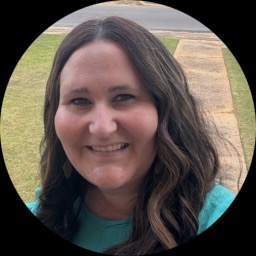
Drew Bost, LICSW, LCSW
Therapist in Alabama
Drew Bost is a licensed clinical social worker who helps people manage stress, anxiety, trauma, grief, low self-esteem, and depression.
- License 6191C, 15317 · Alabama, Louisiana Expires March 2027, August 2026
- NPI 1770037731 · national registry
- Experience and languages 6+ years in practice English
Details are as listed on the therapist's public professional profile. You can check any license with the state board and any NPI with the national registry.
About Drew
Drew Bost is a licensed clinical social worker who helps people manage stress, anxiety, trauma, grief, low self-esteem, and depression. She offers straightforward support for panic, social anxiety, and the worries young adults often face. Drew works with compassion and respect while guiding people through hard moments.
She uses a mix of proven approaches tailored to each person’s needs. Conversations are practical and focused on what the client wants to change.
Background and approach
Sessions may include tools to reduce panic, ways to cope with loss, and steps to rebuild confidence after painful experiences. Drew draws on client-centered work to keep the conversation grounded in the person's goals. Cognitive Behavioral Therapy offers clear strategies to change unhelpful thoughts and behaviors.
She also uses Eye Movement Desensitization and Reprocessing, often called EMDR, when trauma or intense memories are involved. With six years of experience across Alabama and Louisiana she blends skills from several methods. Treatment plans are adjusted as progress is made, and timing is set by the needs of the person in therapy.
Drew emphasizes practical steps alongside emotional support. She encourages small, steady changes rather than quick fixes. The focus is on building coping skills and improving daily life.
Drew aims to make therapy useful and manageable for people juggling busy schedules.
Credentials
- LICSW (Alabama)
- License 6191C · expires March 2027
- LCSW (Louisiana)
- License 15317 · expires August 2026
- NPI
- 1770037731 · national provider identifier
Both are public records. A state board register will confirm a license and its standing, and the national registry will confirm an NPI. This directory copies what the therapist lists and checks neither.
Focus areas and approaches
Everything Drew lists on their public professional profile, in their own terms.
- Stress, Anxiety
- Trauma and abuse
- Grief
- Self esteem
- Depression
- Abandonment
- Communication problems
- Forgiveness
- Guilt and shame
- Panic disorder and panic attacks
- Post-traumatic stress
- Social anxiety and phobia
- Young adult issues
Approaches Drew names
- Gottman Method
- Client-Centered Therapy
- Cognitive Behavioral Therapy (CBT)
- Eye Movement Desensitization and Reprocessing (EMDR)
- Motivational Interviewing
- Trauma-Focused Therapy
These are the approaches Drew names on their own professional profile. Naming an approach is not evidence of training or certification in it, and this directory checks no training records. Ask directly if it matters to you.
Online support
How Drew's Approaches Work Online
Client-Centered Therapy focuses on listening and following the person's lead. The therapist uses active listening and empathy to help people clarify goals and feel heard. Cognitive Behavioral Therapy, or CBT, teaches concrete strategies to change unhelpful thoughts and behaviors and is often used for anxiety, panic, and depression.Many people find the Gottman Method helpful when they want practical tools for communication and conflict habits. It offers exercises and structured conversations that can improve how people relate and talk through recurring problems. Drew adapts these approaches to each person's needs and preferences rather than sticking to a single method.
Choosing the right approach is a team effort. Drew will work with each person to decide which methods fit their goals, current challenges, and comfort level. That collaborative process may mean trying one method first and adjusting over time as progress is tracked.
Online formats include video calls, phone sessions, live chat, and text-based messaging. Video calls let you work face-to-face and use visual cues. Phone sessions need less bandwidth and can fit into breaks at work. Live chat or text messaging can be useful for quick check-ins, ongoing support, or when typing feels easier than speaking. These options offer flexibility so therapy can fit into a busy life.
We will earn a commission if you sign up through our link, at no cost to you. It does not change what you pay or the order of the listings.
Frequently asked
What concerns does Drew help with?
Drew supports people dealing with stress, anxiety, trauma and abuse, grief, self-esteem issues, and depression. She also focuses on panic attacks, social anxiety, abandonment, and related concerns.
How would you describe her therapeutic style?
Her style is client-centered and practical. Conversations focus on your goals and on steps you can take between sessions.
What kind of experience does the therapist have?
She has six years of professional clinical experience working with a range of mood and trauma-related concerns.
What are her credentials and where is she located?
She holds LICSW and LCSW credentials and practices in Alabama with prior licensure in Louisiana.
Can sessions be conducted in other languages or internationally?
Sessions are offered in English. International clients are not currently accepted.
Which session formats are available?
Sessions can be scheduled as video calls, phone sessions, live chat, or text-based messaging to fit different needs.
How does cost and billing work?
Cost varies by location and therapist availability; services use a subscription model that can be canceled at any time.
What are the first steps to begin therapy?
Start by selecting the Start Therapy button, complete a short matching questionnaire, and then schedule sessions based on therapist availability.
More therapists in Alabama
See all
Megan Tafolla
LCSW

James Wells
LPC

Manilla Jenkins
LPC
Is this your profile?
Ask us to correct details or take the page down.