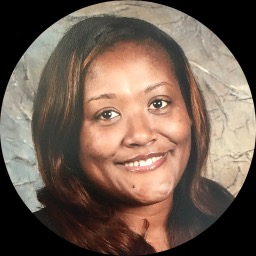
Chancey Fort, LPC
Therapist in Mississippi
Chancey Fort is a Licensed Professional Counselor (LPC) who helps people manage stress, anxiety, depression, anger, relationship strain, and compassion fatigue.
- License 2996 · Mississippi Expires June 2026
- NPI 1821774217 · national registry
- Experience and languages 18+ years in practice English
Details are as listed on the therapist's public professional profile. You can check any license with the state board and any NPI with the national registry.
About Chancey
Chancey Fort is a Licensed Professional Counselor (LPC) who helps people manage stress, anxiety, depression, anger, relationship strain, and compassion fatigue. She brings 18 years of experience working in school and community mental health settings. Chancey uses straightforward, practical guidance so people can make changes that matter in daily life.
She focuses on common relationship challenges like communication problems, attachment concerns, and feelings of abandonment. She also supports people dealing with guilt, shame, isolation, and struggles with life purpose.
Background and approach
Chancey pays attention to workplace stress and women’s issues as part of a wider picture of wellness. Her style is collaborative and warm. She listens first, then helps clients build skills that match their goals.
Sessions blend talk with hands-on tools so people can try new ways of responding between meetings. Chancey draws from several approaches, including the Gottman Method, Acceptance and Commitment Therapy (ACT), cognitive behavioral therapy, and dialectical behavior therapy. She adapts methods to each person rather than following a single script.
Clients can expect clear steps and practical exercises. Chancey aims to reduce overwhelm and increase connection with self and others. She encourages small, steady changes that add up over time.
Credentials
- LPC (Mississippi)
- License 2996 · expires June 2026
- NPI
- 1821774217 · national provider identifier
Both are public records. A state board register will confirm a license and its standing, and the national registry will confirm an NPI. This directory copies what the therapist lists and checks neither.
Focus areas and approaches
Everything Chancey lists on their public professional profile, in their own terms.
- Stress, Anxiety
- Relationship issues
- Anger management
- Depression
- Compassion fatigue
- Abandonment
- Attachment issues
- Communication problems
- Control issues
- Forgiveness
- Guilt and shame
- Impulsivity
- Isolation / loneliness
- Life purpose
- Mood disorders
- Post-traumatic stress
- Self-love
- Social anxiety and phobia
- Women's issues
- Workplace issues
- Young adult issues
Approaches Chancey names
- Gottman Method
- Acceptance and Commitment Therapy (ACT)
- Client-Centered Therapy
- Cognitive Behavioral Therapy (CBT)
- Dialectical Behavior Therapy (DBT)
- Mindfulness Therapy
- Narrative Therapy
- Solution-Focused Therapy
- Trauma-Focused Therapy
These are the approaches Chancey names on their own professional profile. Naming an approach is not evidence of training or certification in it, and this directory checks no training records. Ask directly if it matters to you.
Online support
Approaches and how they work online
Chancey uses the Gottman Method to help people notice patterns in close relationships and practice small, useful skills to improve communication. Gottman-informed techniques focus on concrete conversations and rebuilding connection over time.She also draws on Acceptance and Commitment Therapy (ACT), which helps people notice thoughts and feelings without getting stuck and then act in ways that match their values. Client-centered therapy is part of her practice too, which means she listens closely and follows each person's pace and priorities.
Choosing the right approach is a shared process. The therapist will talk with each person about goals and try methods that fit those goals and preferences. Plans are adjusted as needed based on what helps most.
Online sessions are offered by video call, phone, live chat, or text-based messaging to make therapy flexible. Video calls work well for deeper conversations, phone can be a good option when bandwidth is limited, and chat or messaging allow shorter check-ins and ongoing support between sessions. These options make it easier to fit therapy around work, school, and family life.
We will earn a commission if you sign up through our link, at no cost to you. It does not change what you pay or the order of the listings.
Frequently asked
What problems does Chancey help with?
She supports people with stress, anxiety, depression, anger, relationship concerns, and compassion fatigue, plus related issues like attachment, communication, guilt, and workplace stress.
What is her approach in sessions?
She uses a collaborative, person-centered style and teaches practical skills drawn from approaches like ACT, CBT, DBT, and the Gottman Method to match each person's needs.
How much experience does she have?
She has 18 years of experience working in school settings and community mental health.
What credentials and location are listed for Chancey?
Chancey holds an MS and is a Licensed Professional Counselor (LPC) based in Mississippi.
Which languages are supported and can international clients join?
Sessions are offered in English. International clients are not currently accepted.
What formats are available for sessions?
She offers video calls, phone sessions, live chat, and text-based messaging to fit different schedules and needs.
How does billing and cost work?
Cost varies with location and therapist availability. Sessions use a subscription that can be canceled at any time.
How do I begin therapy with her?
Use the Start Therapy button, complete a short matching questionnaire, and then schedule sessions according to the therapist's availability.
More therapists in Mississippi
See all
Teresa Adams
LPC
Robert Lock
LPC

Jessica Willis
LPC

Brenda Drake
LPC
Is this your profile?
Ask us to correct details or take the page down.